


 Hotline: 0855.911.911
  RSS
RSS 





What are white basil leaves?
White basil leaves are a familiar herb in the South Central and Central Highlands regions of Vietnam, often appearing in famous dishes such as chicken hot pot with basil leaves, steamed chicken with basil leaves, or stir-fried dishes.
This plant is also known by many other names such as mint, tea plant, or white basil. The entire plant has a distinctive aroma due to its natural essential oils and is used both as food and as a medicinal herb in traditional medicine.
The health benefits of white basil leaves.
According to Traditional Chinese Medicine, basil leaves have a spicy taste and warm nature, helping to relieve external symptoms, dispel wind, induce sweating, and support the treatment of some common ailments. Therefore, this herb has long been used by people in many folk remedies. health.
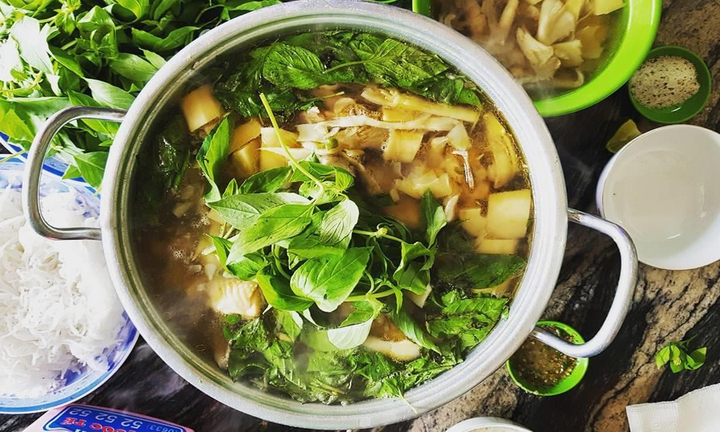
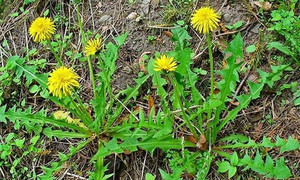
Besides being a familiar herb, basil leaves are also a medicinal remedy that supports health (Illustrative image).
Helps relieve cold symptoms, reduce fever and headache.
One of the most notable uses of white basil leaves is to aid in the treatment of colds and flu caused by exposure to cold air. According to folk experience, basil leaves are often used to make steam inhalation or brewed into tea to help the body sweat, thereby helping to reduce fever, relieve nasal congestion, and improve headaches caused by colds.
Thanks to its warm, spicy properties and aromatic essential oils, basil leaves are considered a familiar ingredient in traditional remedies for colds in many localities.
Supports the digestive system.
White basil leaves are also known for their ability to help improve digestive problems such as bloating, indigestion, abdominal distension, and poor appetite.
According to traditional medicine, using an infusion made from the branches and leaves of the basil plant can help reduce digestive discomfort and support smoother digestion.
Cough relief
In folk medicine, basil leaves are one of the herbs used to relieve coughs and soothe sore throats. People often use dried basil leaves or the entire plant to make a decoction or infusion for drinking.
In some cases, honey is added to enhance the soothing effect on the throat lining and make the drink easier to consume.
However, this is only a supportive measure and not a substitute for medication to treat chronic or severe respiratory illnesses.
Support for oral health care
According to traditional medicine texts, basil leaves can be used in remedies to help treat gingivitis, bleeding gums, and oral thrush. After washing and crushing the basil leaves, they are often used as a mouthwash or gargle to clean the oral cavity and help reduce inflammation.
Thanks to the natural antibacterial properties of its essential oils, this leaf is chosen by many as a home remedy to support oral care.
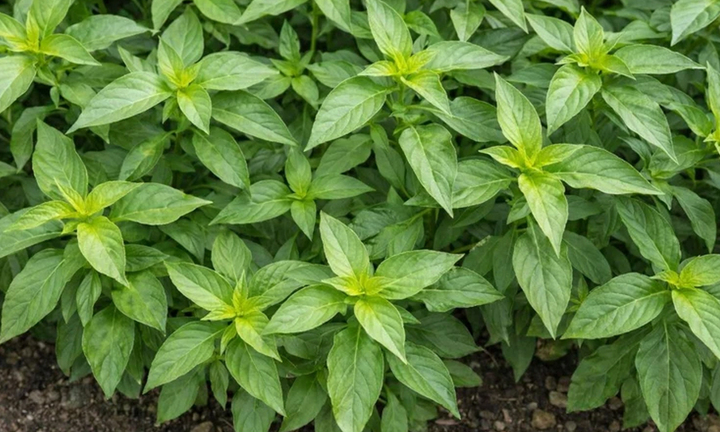
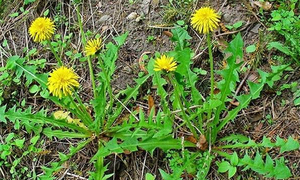
Basil leaves are one of the herbs used to relieve coughs and soothe sore throats (Illustrative image).
Helps reduce stress and fatigue.
Besides being used as a spice, basil leaves are also used to infuse tea. The distinctive aroma of the leaves helps to bring a feeling of relaxation and comfort, reducing fatigue after stressful working hours.
Some people even use basil leaf tea as a daily drink to help them stay alert and relaxed.
Supports treatment of urinary tract diseases.
According to Traditional Chinese Medicine, basil leaves It is also used in remedies to help treat painful urination, cystitis, and nephritis.
Some folk remedies use fresh basil leaves or basil essential oil in appropriate dosages to help improve symptoms. However, their use requires guidance from a healthcare professional to ensure safety.
Notes on using white basil leaves
Despite its many health benefits, white basil leaves are not suitable for everyone. It is recommended that pregnant women avoid using basil leaves, especially basil essential oil, due to their spicy and warming properties which may negatively affect pregnancy.
In addition, users need to adhere to appropriate dosages and choose clean leaf sources that are free from chemicals or pesticides.
For those undergoing medical treatment or taking long-term medication, it is advisable to consult a doctor before using basil leaves as a supplementary remedy.
White basil leaves are not only a spice that adds a distinctive flavor to many Vietnamese dishes, but also a folk medicine with many health benefits. However, to maximize effectiveness and ensure safety, users should use them correctly and consult a specialist when necessary.
 Comment