


 Hotline: 0855.911.911
  RSS
RSS 





Overview of the Vối tree
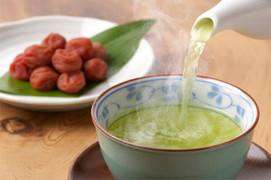
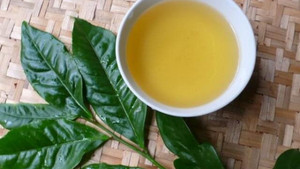
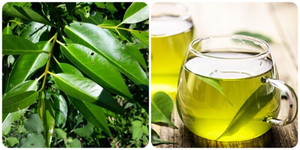
The vối tree is grown for its leaves and buds, which are used to make tea.
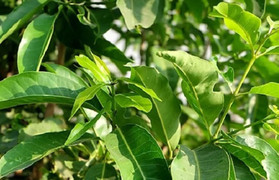
The leaves and buds of the Vối tree are commonly used to make a drink that helps cool the body, stimulate digestion, and relieve bloating. There are two types of Vối: sticky Vối and non-sticky Vối, both with yellowish-green leaves. Non-sticky Vối leaves are usually larger than sticky Vối leaves, about the size of or larger than a human hand, rhomboid in shape, and dark green. Vối flowers typically bloom in clusters, usually in spring. The fruit is dark red, similar to the fruit of the Bồ Quân tree, with a slightly astringent and bitter taste. The Vối tree is particularly rich in medicinal properties and effective in treating various ailments.
The parts used are the bark, leaves, buds, etc.
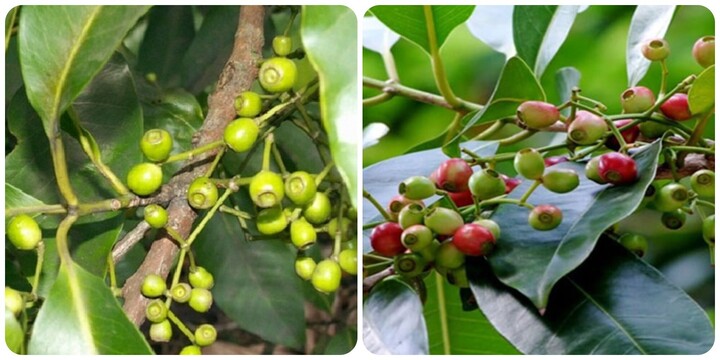
Many people wonder what diseases the Vối plant can treat.
What diseases can the leaves of the Vối plant treat?
According to Dr. Bui Dac Sang, a general practitioner at the Vietnam Academy of Science and Technology and the Hanoi Traditional Medicine Association, the leaves of the Vối plant contain saponins, very little tannin, traces of alkaloids (belonging to the indolic group) similar to caffeine, and 4% volatile essential oil with a pleasant aroma. Other parts of the plant also contain sterols, fats, catechic and gallic tannins. The leaves and buds contain triterpenic acids.
Numerous studies have shown that both the leaves and buds of the Vối plant possess antibiotic properties against several Gram-positive and Gram-negative bacteria at all stages of development. The antibiotic (antibacterial) substances are usually most concentrated in the leaves during winter. These active antibiotic compounds are water-soluble, soluble in organic solvents, and stable at high temperatures and in environments with a pH of 2-9. They are most effective against Streptococcus (hemolytic and staman), followed by diphtheria bacteria, Staphylococcus, and Prieumococcus. They are completely non-toxic to the human body.
The leaves of the Vối plant are bitter, astringent, fragrant, and have a neutral nature (some species have a cooling nature).
It cools the body, relieves external symptoms, disinfects, reduces gas, and eliminates phlegm. For a long time, the leaves and buds of the Vối plant have been brewed into a fragrant tea that aids digestion, stimulates appetite, reduces swelling, stops bleeding, and promotes tissue regeneration. A strong decoction of fresh or dried Vối leaves is considered to have antiseptic properties and is used to wash boils, ulcers, scabies, and itching. Generally, dried buds and leaves are used for internal consumption, while fresh leaves are used for external application.
Parts of the Vối plant are used to treat bloating, vomiting, intestinal inflammation (chronic colitis), sore throat, skin diseases, burns, external bleeding, insect bites, and snake bites.
Dosage: 8-12g/day.
Dosage forms: Can be used in the form of decoctions, extracts, or tablets, or prepared as sodium salts.
With the information above, you probably already have the answer to the question "What diseases can the leaves of the Vối plant treat?"
 Comment