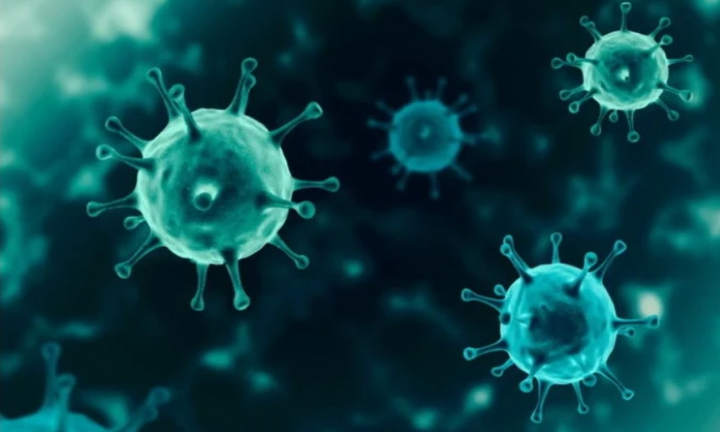
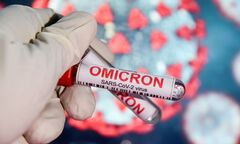
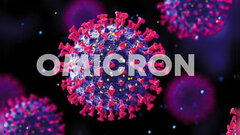
JN.1 is a subspecies BA.2.86 of the Omicron strain, belonging to the group of variants of concern, with no evidence of increased virulence despite an increase in the number of cases showing symptoms.
According to information from the Ministry of Health, the SARS-CoV-2 virus has continuously mutated, creating new variants, the most recent being the JN.1 variant.
The WHO affirms that COVID-19 is no longer a global emergency, but all countries need to learn how to respond to this disease, as well as other epidemics.
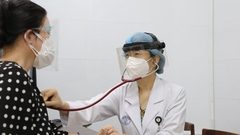
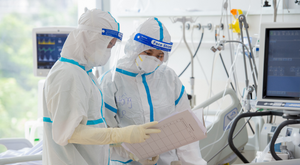
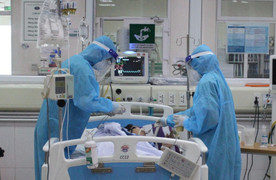
Many patients with chronic diseases who were previously in stable condition may experience a worsening of their underlying conditions and become difficult to manage when they contract COVID-19.
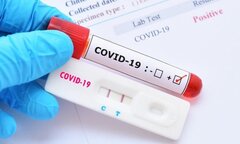
Today (April 30), the whole country recorded 1.986 cases of COVID-19, an increase of 94 cases compared to the previous day, with 3 deaths in 3 provinces.
JN.1 is a subspecies BA.2.86 of the Omicron strain, belonging to the group of variants of concern, with no evidence of increased virulence despite an increase in the number of cases showing symptoms.
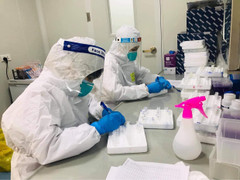
In addition to the recently discovered new subvariant (XBB.1.5), there are 7 other samples belonging to new subvariants: XBB.1.9.1, XBB.1.16, and XBB.1.16.1.
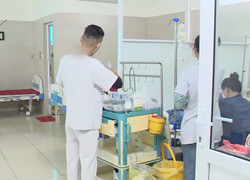
According to the Ministry of Health, on April 22, the whole country recorded 2.337 cases of COVID-19, with 123 patients in serious condition requiring oxygen.
According to the Ministry of Health, in the past 24 hours, Vietnam recorded 1.522 cases of COVID-19, an increase of 491 cases compared to the previous day.
Data from the Ministry of Health shows that COVID-19 vaccination rates are uneven across the country, with many localities still having low vaccination rates.
After several consecutive days of increases, today (April 15), the number of COVID-19 cases has temporarily "cooled down" to 775, a decrease of 5 cases compared to yesterday.
The rate of AstraZeneca vaccine administration in the first eight days of April 2023 was slow, averaging around 1.040 doses per day, leading to a high risk of not using all the vaccine.
According to the Ministry of Health, the number of COVID-19 cases may increase in the near future, but the number of severe cases and hospitalizations has not seen a sudden surge; therefore, Vietnam is still controlling the epidemic situation.
Many people are wondering whether the symptoms of recent COVID-19 infections differ from previous outbreaks, especially given the surge in new cases recorded in early April.
Professor Phan Trong Lan, Director of the Department of Preventive Medicine, affirmed that there is currently no information about the detection of a new COVID-19 variant that is "five times more virulent than Delta".
Professor Phan Trong Lan, Director of the Department of Preventive Medicine, Ministry of Health, assessed the COVID-19 situation in Vietnam in the context of recording many new cases.
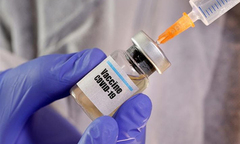
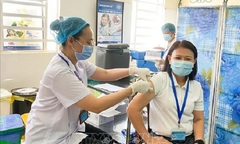
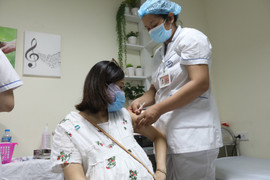
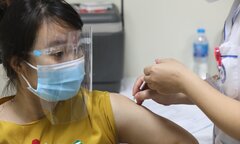
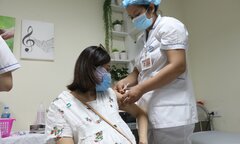
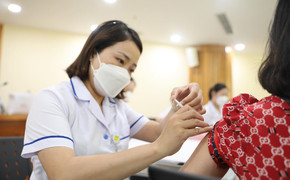
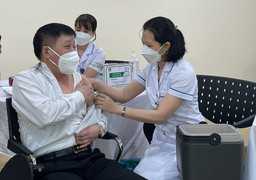
The head of the Hanoi CDC advises that anyone who has not yet received their 3rd or 4th dose of the vaccine should go to their local health station to get vaccinated.
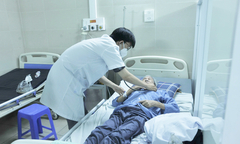
Patients currently being treated for COVID-19 all belong to the group requiring a fourth dose of the COVID-19 vaccine; most of them have only received two or three doses.
Experts are assessing the COVID-19 situation as the number of cases increases, especially on April 11th, which was the highest figure so far this year.
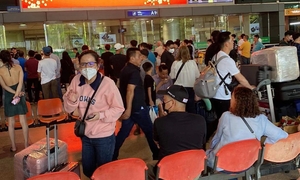
Experts point out the reasons for the recent resurgence in COVID-19 cases, including the fact that many people are still complacent about disease prevention.





 Hotline: 0855.911.911
  RSS
RSS