


 Hotline: 0855.911.911
  RSS
RSS 





The Ministry of Health has recommended testing only every 2-3 days because it takes a certain amount of time for the virus to multiply. Testing immediately is not valuable, and the results are inaccurate even if the virus has already entered the respiratory tract.
Specifically, if you have recently been exposed to a source of infection or are in the incubation period, you may have been infected but with a low viral load… even if tested, the result may not be accurate because there is a high probability of a negative result as the virus has not yet multiplied enough to be detected by a rapid test. If you are asymptomatic, you can get tested on the 5th and 7th day after contact with the infected person.
In cases where there is a pregnant woman or someone with underlying medical conditions in the family, if you are overly worried, you should first follow the 5K measures recommended by the Ministry of Health and wait until the 4th day to get tested. If the result is negative, then test again on the 7th day for complete peace of mind.
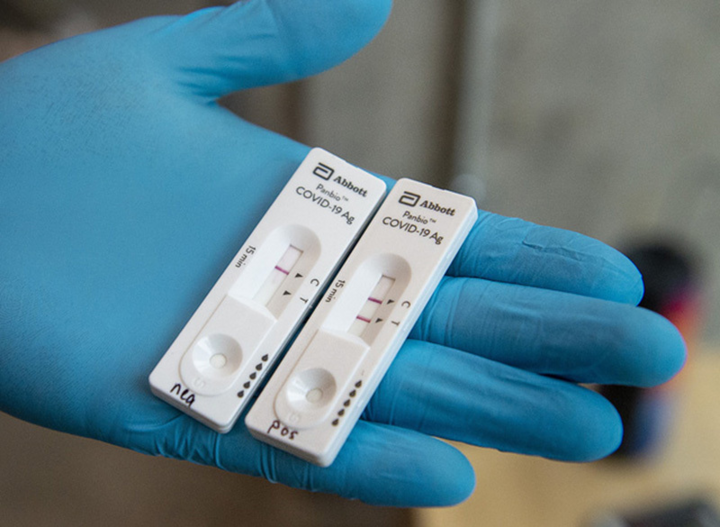
It's not necessary to get tested every day.
In other cases, testing is only necessary if there are suspicious symptoms such as: runny nose, cough, fever, body aches, etc.
On the test results, whether the line is faint or strong does not indicate the severity of the illness, or the amount of virus present, as many people believe. Furthermore, when a rapid test is positive, the Ministry of Health advises against necessarily performing a confirmatory RT-PCR test.
Many people believe that a negative rapid test result after an illness means they are cured. Experts say this is incorrect. A negative rapid test only means a low risk of transmission because there is little or no virus left in the upper respiratory tract; therefore, continued monitoring is still necessary. For example, a negative rapid test result on day 5 should not be taken lightly, and "peripheral blood oxygen saturation" (SpO2) should still be monitored for 10 days.
 Comment