



 Hotline: 0855.911.911
  RSS
RSS 


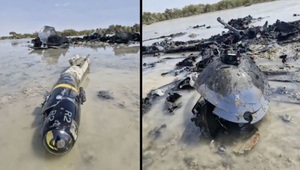
Why did the US lose so many MQ-9 Reaper UAVs in the conflict with Iran?  0
0
Once the dominant force in the skies, the MQ-9 now faces a completely different combat environment, where the enemy has the capability for a powerful response.




 0
0 Once the dominant force in the skies, the MQ-9 now faces a completely different combat environment, where the enemy has the capability for a powerful response.
 0
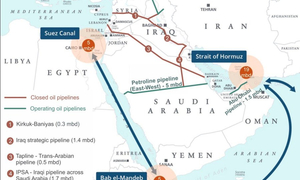
0 The "bottleneck" in the Strait of Hormuz is dominating global energy flows, but the key to unlocking it doesn't lie in military power.
 0
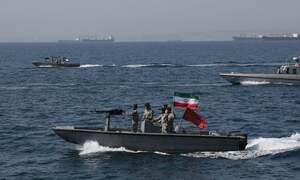
0 Unable to engage in direct confrontation at sea, Tehran has shifted to a strategy of attrition: drones, small boats, mini-submarines, and time have become its most dangerous weapons.
 0
0 The blockade is tightening its grip on Tehran's economy, but the US is facing political pressure, pushing the battle over the world's biggest energy bottleneck into a decisive phase.
 0
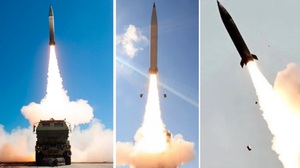
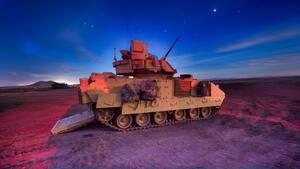
0 When cutting-edge weapons are used up as soon as they enter the battlefield, a major problem emerges behind the power of American firepower.
 0
0 With negotiations stalled, Washington faces three paths, all fraught with significant risks, ranging from military to economic and political.
 0
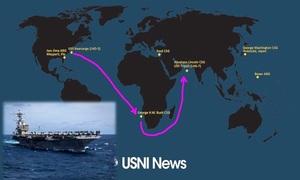
0 A rare decision by Washington is exposing the reality that the Red Sea is no longer the "safe" route it once was.
 0
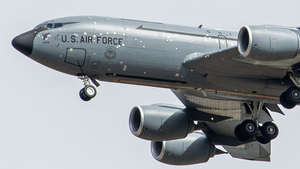
0 A US KC-135 refueling aircraft was damaged while on a mission in the Middle East and had to be repaired using specialized adhesive tape before returning to base.
 0
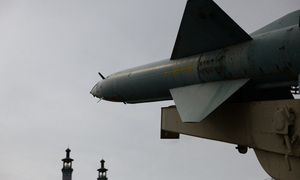
0 Not only were the numbers wrong, Washington also miscalculated the range by as much as 50%, and no one anticipated the emergence of underground cities.
 0
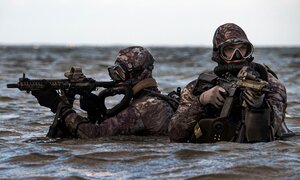
0 To join SEAL Team 6, one must overcome a "death trap" even harsher than the battlefield – a place where only the most resilient survive.
 0
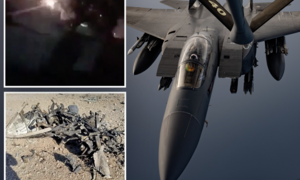
0 Recent incidents involving aircraft, such as the downing of an F-15 in Iranian territory, have once again raised the question: what happens to American pilots when they crash into enemy territory?
 0
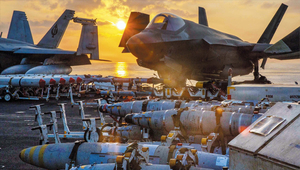
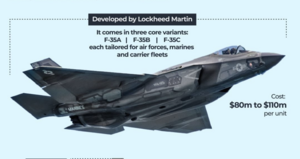
0 Sixteen aircraft shot down, THAAD neutralized, F-35s hit, USS Ford on fire – Iran's low-cost attacks cost the US hundreds of billions of dollars.
 0
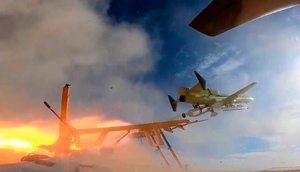
0 Video of UAVs attacking a US base in Baghdad shows a new tactic spreading from Ukraine to the Middle East, posing a modern warfare challenge for US forces.
 0
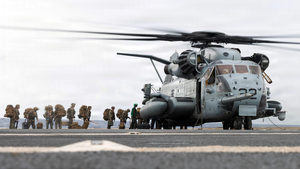
0 Gulf nations are relying on fighter jets to counter the influx of inexpensive Shahed drones, putting significant strain on finances, pilots, and the aircraft themselves.
 0
0 As new military options were considered, there were notable warnings about what could happen if the situation crossed a “red line.”
 0
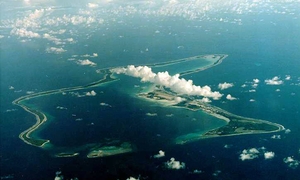
0 Although it missed its target, Iran's missile launch toward Diego Garcia demonstrates its long-range strike capability and sends a deterrent signal to the United States.
 0
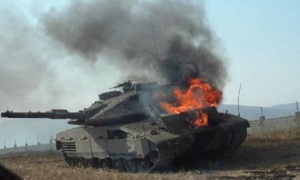
0 Intense fighting in southern Lebanon is believed to have inflicted significant losses on Israeli ground forces, with many Merkava tanks destroyed by Hezbollah.
 0
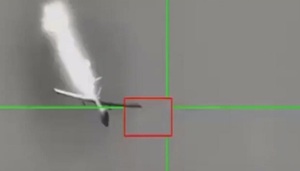
0 The highly secretive American stealth reconnaissance aircraft reportedly had to make an emergency landing while supporting an operation against Iran.
 0
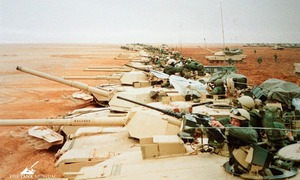
0 Experience from the two Iraq wars shows that it may take the U.S. months to concentrate hundreds of thousands of troops if it wants to conduct an amphibious invasion of Iran.
 0
0 Iran's repeated arrests of Mossad spies, and Israel's discovery of Tehran's network within its own borders, indicate an unprecedented escalation of the Middle Eastern intelligence war.
 0
0 From domestic spy networks to covert sabotage operations, Mossad is believed to have a deep foothold in Iran, intensifying the intelligence rivalry in the Middle East.
 0
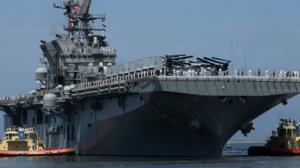
0 The US is reportedly preparing for a landing operation on Kharg Island, and Tehran has warned that if the operation begins, the entire Gulf oil and gas infrastructure could become a target of retaliation.
 0
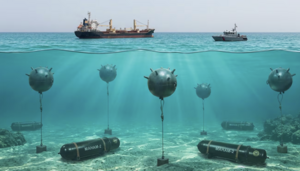
0 Despite being a relatively simple and low-cost weapon, naval mines are considered one of the most dangerous tools in Iran's arsenal.
 0
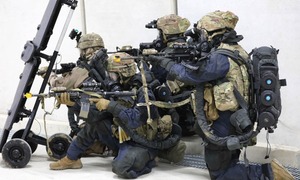
0 Washington and Tel Aviv are reportedly considering a bold operation to seize Iran's enriched uranium stockpiles; however, this may be an impossible task.
 0
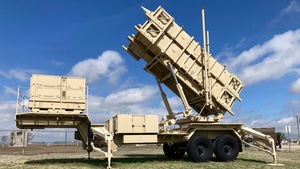
0 According to U.S. defense officials, Iran is focusing its attacks on radar and interceptor systems – key links in Washington's defense network.
 0
0 Iran's relentless missile and drone attacks have forced the U.S. to launch a barrage of Patriot and THAAD interceptor missiles, driving up defense costs by billions of dollars.
 0
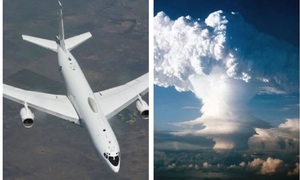
0 The unexpected appearance of a US E-6B Mercury nuclear command aircraft near the Middle East has raised concerns among observers about the risk of nuclear escalation and World War III.
 0
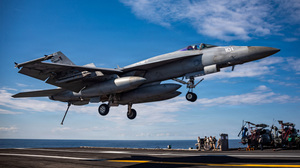
0 According to CENTCOM, Operation Fierce Fury deployed more than 20 different weapon systems from the air force, navy, army, and missile defense forces.
 0
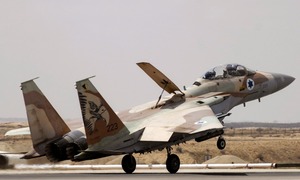
0 The US and Israel mobilized hundreds of aircraft, UAVs, missiles, and warships, creating one of the largest military strikes in the Middle East against Iran.
 0
0 The conflict in Iran has fueled a surge in demand for weapons, driving up the stock prices of US and Israeli defense companies as a range of expensive weapons systems enter the conflict.