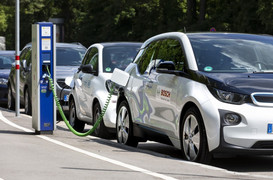
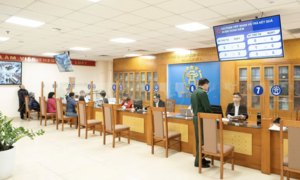
According to the draft, poor households will receive up to 20 million VND in support when converting their gasoline-powered motorbikes, but delegates argue that in reality, Hanoi currently has almost no poor households left.
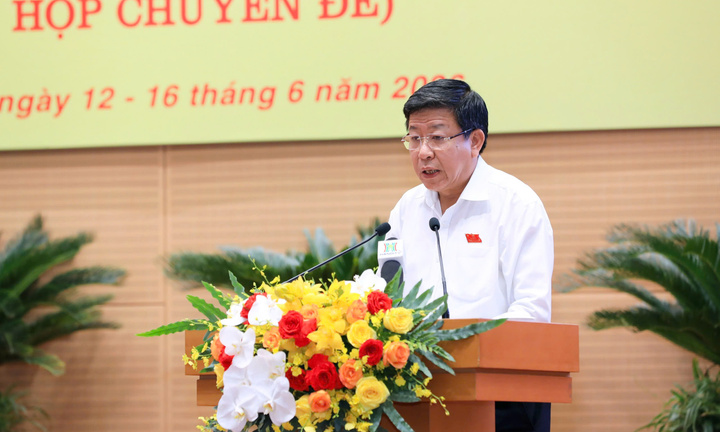
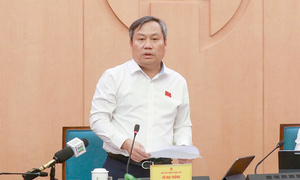
Mr. Vu Dai Thang clarified that the group of people eligible for support when switching from gasoline to electric vehicles has been narrowed down and no longer applies to all citizens.
According to the latest draft, Hanoi is removing the policy of providing financial support to individuals who switch from gasoline-powered to electric vehicles; the only eligible recipients are poor households in the area.
Hanoi People's Council representative Tran Khanh Hung expressed concerns about the 5 million VND/motorbike subsidy, suggesting that the ability of people to switch vehicles needs to be carefully assessed.
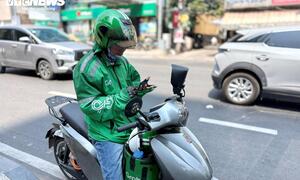
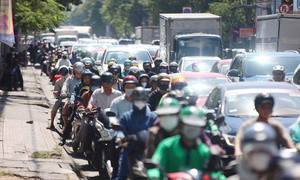
Ho Chi Minh City is developing a green transportation transformation roadmap, which anticipates that from 2028, delivery drivers and ride-hailing motorbike drivers in the central area will have to use electric vehicles.
Hanoi plans to provide financial support of up to 20 million VND to individuals from impoverished households when they switch from gasoline-powered motorbikes to electric vehicles.
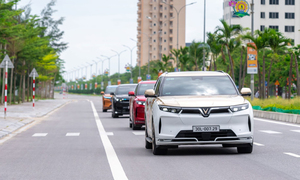
The National Assembly has extended tax incentives for electric vehicles until 2030, creating a stable policy foundation and promoting investment, consumption, and development of Vietnam's electric vehicle industry.
According to the draft, Hanoi will provide a maximum subsidy of 5 million VND for those switching to green vehicles, prioritizing citizens with permanent or temporary residence in the city for at least two years.
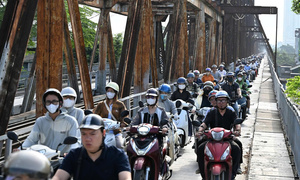
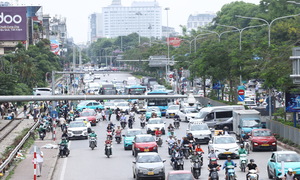
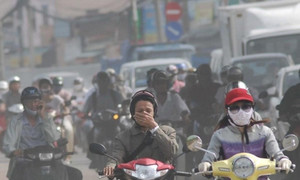
Traffic emissions are considered one of the factors driving down air quality, highlighting the urgent need for solutions to reduce pollution from vehicles.
A PwC report indicates that Vietnam is experiencing the fastest electric vehicle growth rate in ASEAN, thanks to preferential policies and strong consumer demand.
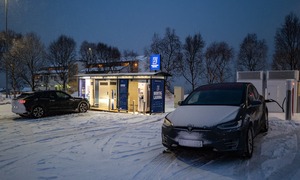
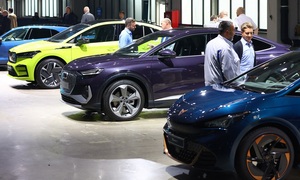
Global and Vietnamese electric vehicle sales are projected to continue increasing in 2025, reflecting a shift in consumer choices amid rising pollution.





 Hotline: 0855.911.911
  RSS
RSS