


 Hotline: 0855.911.911
  RSS
RSS 





According to research conducted by scientists at the Keck School of Medicine, University of Southern California (USA), adding every 200 electric vehicles will help reduce the concentration of nitrogen dioxide (NO2), a toxic gas mainly produced from the burning of fossil fuels, by approximately 1,1%.
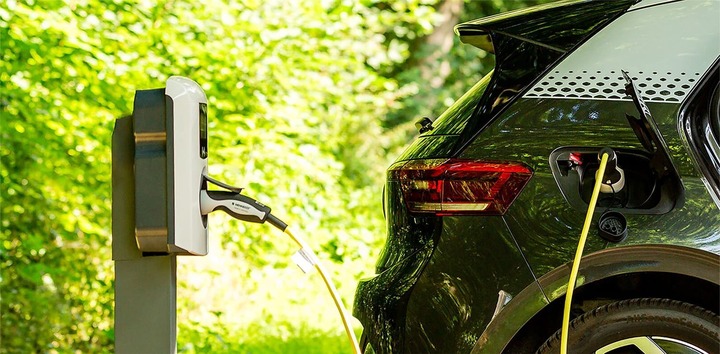
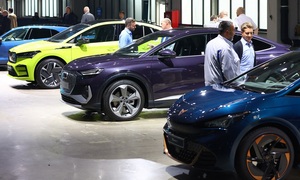
The increase in electric vehicles contributes to reducing air pollution. (Photo: Ayvens)
The study is based on vehicle registration data and satellite tracking data. air pollution This study was conducted in California between 2019 and 2023. It is considered one of the first concrete examples showing that electric vehicles help reduce air pollution at the community level.
In the study, the state of California was divided into 1.692 neighborhoods, similar to postal code units. The research team compared the number of registered zero-emission vehicles in each neighborhood with pollution data collected from high-resolution satellites.
The results showed that for every 200 new ZEVs registered in each area, NO2 concentrations decreased by 1,1%. Conversely, areas with an increase in the number of gasoline-powered vehicles recorded a corresponding increase in pollution levels.
While a 1,1% reduction isn't huge, scientists believe the figure is statistically significant, indicating that there's still considerable potential for improving air quality.
"The world isn't fully electrified yet, but research shows that California's shift to electric vehicles has made measurable differences in the air people breathe.""That's what Dr. Sandrah Eckel, a population science and public health specialist at the Keck School of Medicine, said.
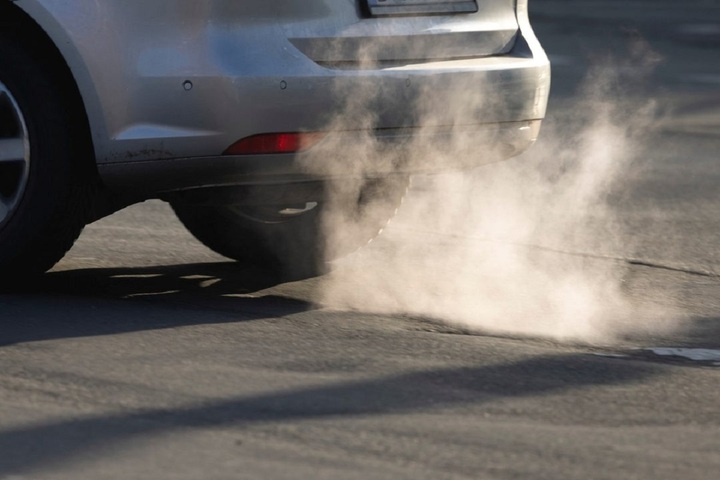
Exhaust fumes from a car's internal combustion engine. (Photo: Reuters)
NO2 is a pollutant produced from the burning of fossil fuels, directly linked to many serious health problems. This gas can trigger asthma attacks, cause bronchitis, and increase the risk of cardiovascular disease and stroke.
"Air pollution Because traffic can cause almost immediate harm to the respiratory and cardiovascular systems, in addition to long-term cumulative effects, reducing emissions from vehicles, especially in densely populated areas, can yield significant health benefits."That's what Dr. Erika Garcia, the study's author, confirmed."
She said the next step in the research is to compare data on electric vehicle growth with the number of emergency room visits and hospitalizations related to asthma, in order to directly assess the health impact in real-world conditions.
The results also open up new avenues of research in monitoring the environmental impacts of energy transition and transportation policies.
Experts believe that the message about electric vehicles is gradually shifting from a focus on combating climate change to more practical benefits such as improving local air quality, saving operating costs, and enhancing efficiency.
Vietnam strives to reduce traffic emissions.
Vietnam is implementing various policies aimed at restricting the use of fossil fuel vehicles and promoting the transition to electric vehicles, with the expectation of improving air quality and reducing environmental pollution.
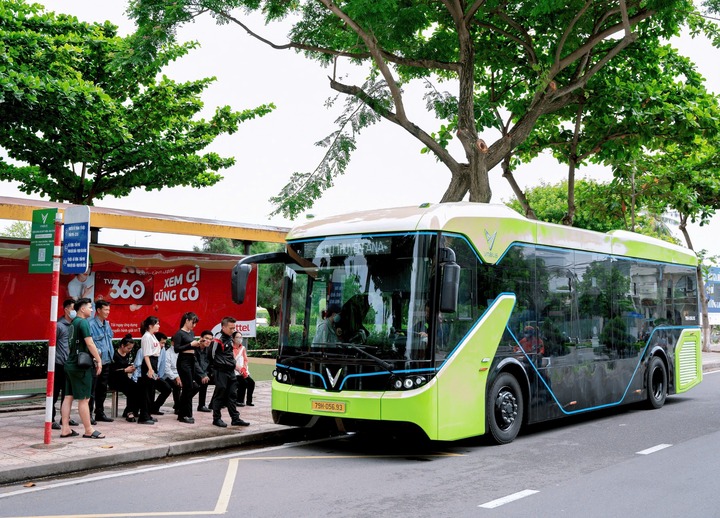
Restricting fossil fuel vehicles and promoting electric vehicles contributes to improving air quality. (Photo: Vinfast)
From July 1st, 2026, Hanoi will pilot a low-emission zone within the Ring Road 1, prohibiting gasoline-powered motorcycles from circulating during specific hours or in designated areas. Simultaneously, the city aims for all buses and taxis to use clean energy by 2030, moving towards green and sustainable transportation.
To support residents during the transition, Hanoi is developing a financial support mechanism for converting gasoline-powered motorcycles to electric ones, including direct subsidies and preferential interest rates on electric vehicle loans. The city is also surveying and installing charging stations and battery swapping cabinets for electric motorcycles to facilitate the use of green transportation for residents.
Ho Chi Minh City is proposing a roadmap to restrict motorcycles and cars using fossil fuels from entering the city center. According to the plan, from 2028, all gasoline-powered motorcycles will be banned from circulating in the Low Emission Zone (LEZ), except for vehicles used by people with disabilities. At the same time, cars that do not meet Euro 4 emission standards will also be banned from this area during peak hours.
The city also plans to implement motorcycle emissions testing starting July 1, 2027, to classify emission levels, providing a basis for restricting the circulation of polluting vehicles.
Vietnam aims to limit and eventually cease the production, assembly, and import of fossil fuel-powered cars and motorcycles by 2040, moving towards the development of a green and low-emission transportation system.
The private sector also plays a crucial role in promoting the transition to green transportation.
Some automotive manufacturers, such as VinFast, are implementing various incentive programs to encourage consumers to switch to electric vehicles, such as supporting registration fees, offering price discounts, or providing free battery charging during certain periods.
These policies are expected to increase access to electric vehicles, contribute to reducing air pollution, improve public health, and move towards a sustainable and environmentally friendly transportation system.
 Comment