


 Hotline: 0855.911.911
  RSS
RSS 

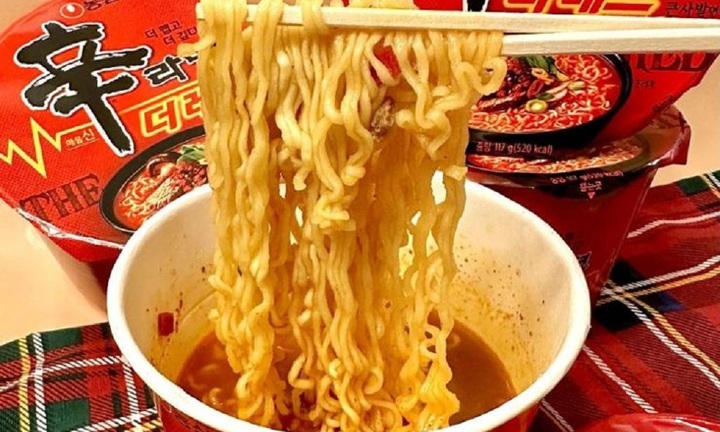
South Korea transforms discarded instant noodle cups into useful materials.
South Korea is implementing a chemical recycling program, transforming unusable instant noodle cups into raw materials for the petrochemical industry.





South Korea is implementing a chemical recycling program, transforming unusable instant noodle cups into raw materials for the petrochemical industry.
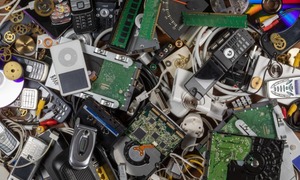
A new study reveals that discarded electrical equipment contains billions of kilograms of valuable raw materials, playing a crucial role in the green transition.
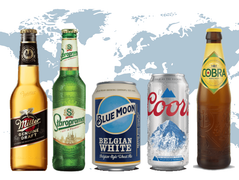
The Extended Producer Responsibility (EPR) policy in the UK forces retailers to bear the full cost of packaging disposal, raising concerns about pricing and compliance pressure.
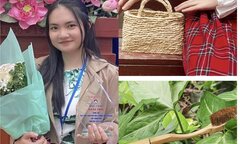
Using waste materials like sugarcane bagasse and eggshells, student Ngo Gia Thao (Ho Chi Minh City University of Education) has created useful and aesthetically pleasing products such as paintings, pencil cases, and handbags.
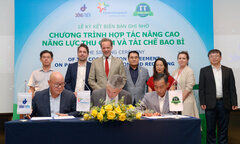
This is a pioneering step by businesses in proactively implementing the Extended Producer Responsibility (EPR) decree, which takes effect from January 1, 2024.
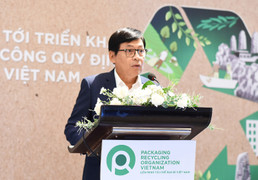
This was the assessment of experts at the Workshop on Towards the Implementation of Extended Producer Responsibility (EPR) Regulation in Vietnam.
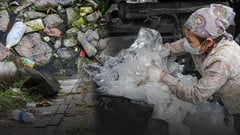
According to experts, in addition to increasing taxes on plastic products and nylon bags, businesses must also participate in recycling to limit plastic waste from being directly released into the environment.
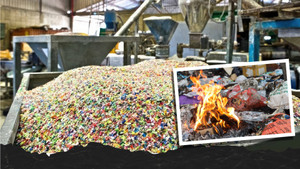
While a huge amount of plastic waste is being dumped into the environment, many manufacturing businesses admit they prefer contributing to the Environmental Protection Fund rather than collecting and recycling it.
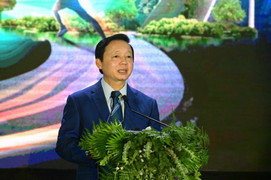
This was the directive of Deputy Prime Minister Tran Hong Ha at the VCSF 2023 Forum with the theme "Global Green Race: From Strategy to Sustainable Business Practice" on August 23rd.
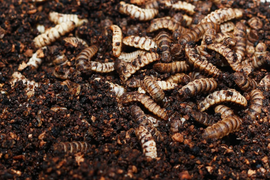
Raising larvae using kitchen scraps and household waste is being adopted by many farms in China as a high-protein feed source for livestock and fertilizer.
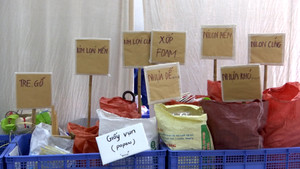
The Tagom waste collection and sorting project was founded by a group of environmentally conscious young people who want to transform waste into useful items.
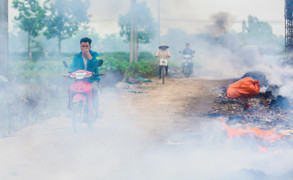
The plastic waste recycling industry has made Xa Cau the most prosperous village in the region, but it has also forced its residents to live surrounded by garbage and filled with acrid smoke day and night.
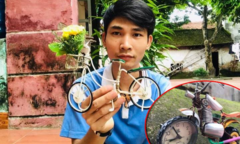
Despite his legs only recently healed from surgery and his hands unable to turn over, the 29-year-old skillfully transforms discarded materials into useful and unique items.

Using discarded plastic bottles and bags, Ms. Nguyen Xuan Hoa recycles them into beautiful and useful household products, contributing to spreading the spirit of green living.
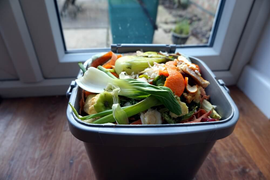
Waste recycling is a topic of great interest to many people when they send questions about environmental issues to the "Reduce Pollution - Protect the Environment and Your Actions" mailbox.

At the age of 11, Ryan Hickman, a boy from California, developed a passion for recycling, hoping to save the environment and wildlife.
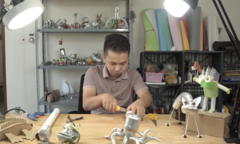
Using discarded items like bottles and cardboard boxes, Mr. Luu Chung Nghia (Dong Anh, Hanoi) has breathed life into them, transforming them into creative toys for children.
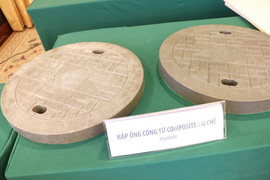
With fiberglass recycling technology, waste materials can be recycled into new products such as manhole covers, building bricks, pallets, etc., at low cost and can be recycled multiple times.
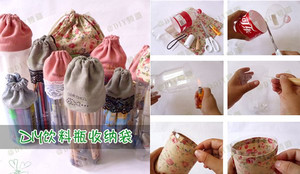
Don't throw away those empty bottles just yet, because they can be recycled into incredibly useful items.

Have you ever thought that seemingly discarded cans could be transformed into unique lanterns?
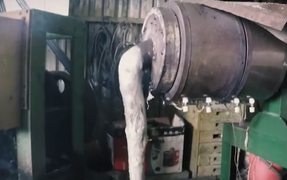
Many people carelessly use plastic and styrofoam containers to hold food at restaurants without knowing that they are all made from recycled waste, or even hospital waste.