


 Hotline: 0855.911.911
  RSS
RSS 


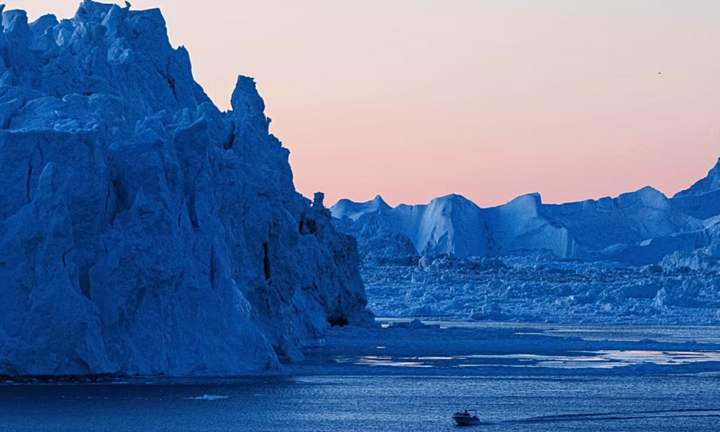
The only place on Earth that is constantly getting colder.
While much of the Earth is warming, a region of the North Atlantic is steadily cooling, raising concerns about global climate change.





While much of the Earth is warming, a region of the North Atlantic is steadily cooling, raising concerns about global climate change.
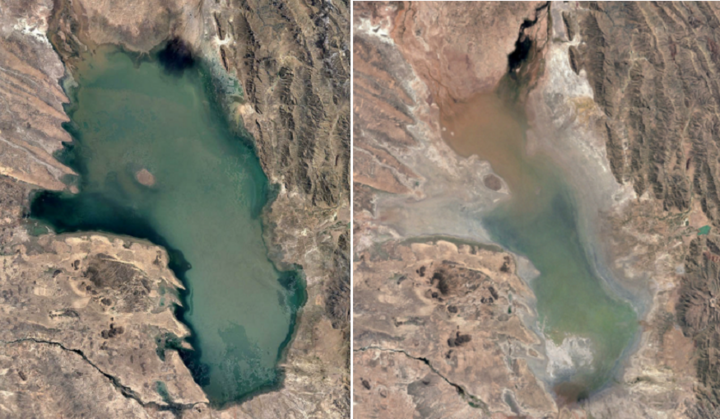
Satellite imagery shows that many rivers, lakes, and wetlands around the Earth are gradually disappearing due to climate change.

Super El Niño is predicted to potentially occur this year, bringing with it a range of impacts on climate, food, and energy.
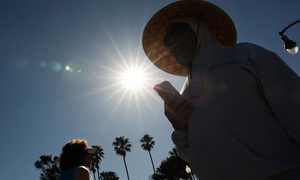
El Niño has returned amid rising global temperatures, raising concerns about extreme weather events.
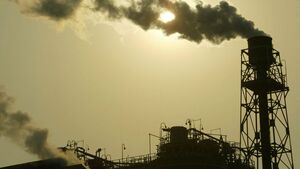
The world has only about three years left before using up its remaining carbon budget to keep global warming below the 1,5°C threshold set by the Paris Agreement.
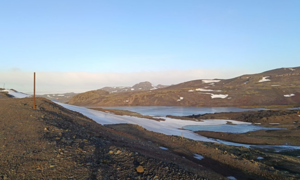
Antarctic temperatures exceeded 15°C in June, breaking previous winter records in the perpetually frozen region and raising concerns about the pace of global climate change.

Lack of green capital, skilled personnel, and management capacity are the biggest obstacles for Vietnamese businesses in implementing ESG.

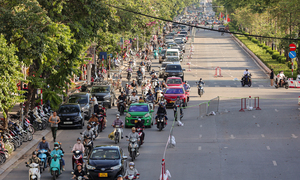
Hanoi and Ho Chi Minh City are among the world's most heat-risk cities, amidst increasing extreme heat waves driven by climate change.

 0
0 New studies in Japan show that extreme heat increases the risk of premature birth in pregnant women and the risk of hospitalization due to seizures in children.
 0
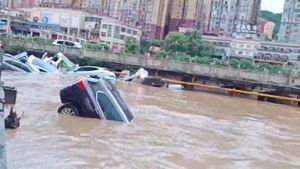
0 Extreme heatwaves, floods, droughts, and wildfires are occurring in many areas, demonstrating the increasing unpredictability of global weather.
 0
0 The "Green Creative Challenge" video production competition aims to encourage young people to use visual language to spread awareness of green lifestyles and environmental protection.
 0
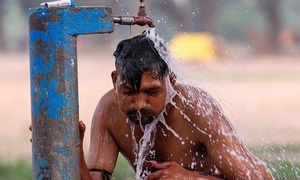
0 According to new forecasts from the United Nations' World Meteorological Organization (WMO), the Earth is likely to continuously exceed safe temperature levels for the next five years.
 0
0 New research shows that climate change is increasing antibiotic resistance globally, posing a serious threat to human health.
 0
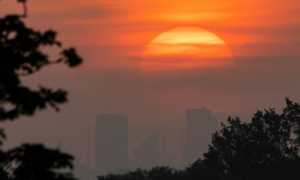
0 Many areas in England recorded temperatures above 32°C on May 25th, the highest since the beginning of 2026 and the hottest May day in England in almost 80 years.
 0
0 Climate experts warn that the weather in the UK is no longer mild, calling for increased air conditioning in hospitals and schools as the heat becomes increasingly extreme.
 0
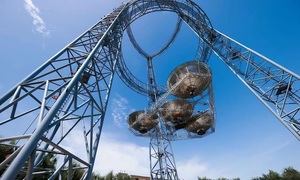
0 Chinese researchers have successfully tested a wireless power transmission system for multiple mobile targets, paving the way for ambitious space-based solar power projects.
 0
0 The strongest El Niño since the 1870s could occur later this year, increasing the risk of extreme weather globally.
 0
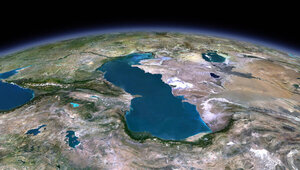
0 The Caspian Sea has been steadily declining for the past three decades, threatening ecosystems, biodiversity, and the livelihoods of coastal communities.
 0
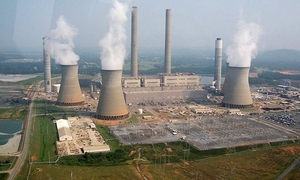
0 El Niño could make 2026 one of the most extreme weather years in modern history, with an increased risk of heatwaves and wildfires.
 0
0 Vietnam is restarting its nuclear power program, in which human resource training is identified as a key factor and must be prioritized.
 0
0 Perovskite solar cells are thinner, lighter, and more flexible than current silicon cells, and are expected to expand solar power applications to cars, windows, and many other surfaces.
 0
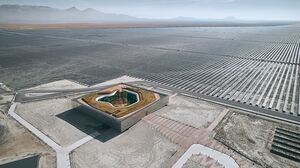
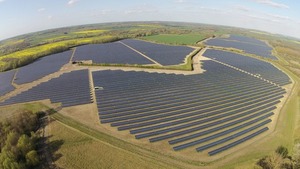
0 Türkiye boasts Europe's largest solar power plant, equivalent in size to 2.600 football fields, capable of supplying clean energy to approximately 2 million people.
 0
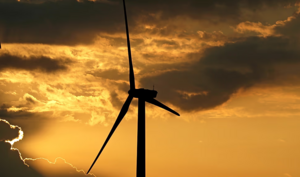
0 Extreme weather events caused by climate change could reduce the efficiency of renewable energy, posing a challenge to the energy transition in Europe.
 0
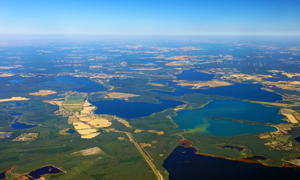
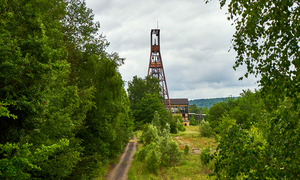
0 A decades-long project in Germany is transforming abandoned coal mines into a vast complex of artificial lakes, opening up opportunities for tourism development and environmental restoration.
 0
0 Moringa seeds have been found to remove up to 98% of microplastics from water, opening up an environmentally friendly solution to replace chemical treatment methods.
 0
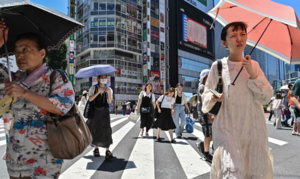
0 Japan has given specific names to days when temperatures exceed 40°C after a record-breaking hot summer, reflecting a growing trend of extreme heat due to climate change.
 0
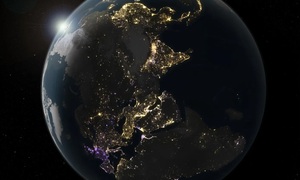
0 A brighter Earth reflects economic development but also becomes a significant environmental issue, similar to air or noise pollution.
 0
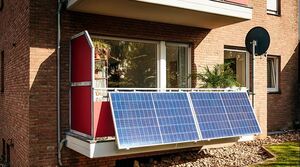
0 Europe has somewhat mitigated the energy shock from the conflict in Iran thanks to its transition to renewable energy, with the widespread adoption of plug-in solar power.
 0
0 Comprehensive electrification could address both of Vietnam's goals of energy security and net-zero emissions by 2050.
 0
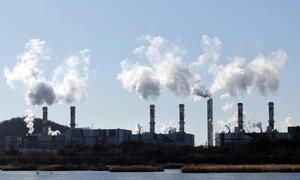
0 The energy crisis has led many Asian countries to increase their use of coal to secure supplies, despite the environmental risks.
 0
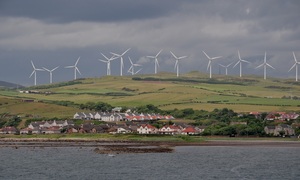
0 Several European countries are stepping up the development of wind power to bolster energy security and help stabilize electricity prices for industry and households.
 0
0 The "Greening Schools 2026" event series – featuring VinFast electric vehicle experiences and spreading the message of green living – attracted thousands of students in Hanoi.
 0
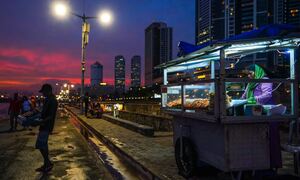
0 Oil and gas prices have surged due to the ongoing conflict in the Middle East, forcing many countries to implement emergency measures to conserve energy and secure supply.
 0
0 France has discovered a natural hydrogen deposit with estimated reserves of hundreds of millions of tons, which is expected to revolutionize the European energy market.
 0
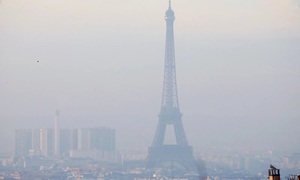
0 According to the latest World Air Quality Report published by IQAir, only 13 countries globally will meet safe air quality standards by 2025.
 0
0 The heat caused by climate change could lead to insomnia, increasing inequality and causing global economic damage.
 0
0 VITM 2026 in Hanoi is expected to bring together hundreds of businesses, aiming to promote digital transformation, develop green tourism, and improve the quality of Vietnam's tourism industry.
 0
0 Thanks to heavy investment in renewable energy, electricity prices in Spain are among the cheapest in Europe and are virtually unaffected by the volatile gas market.