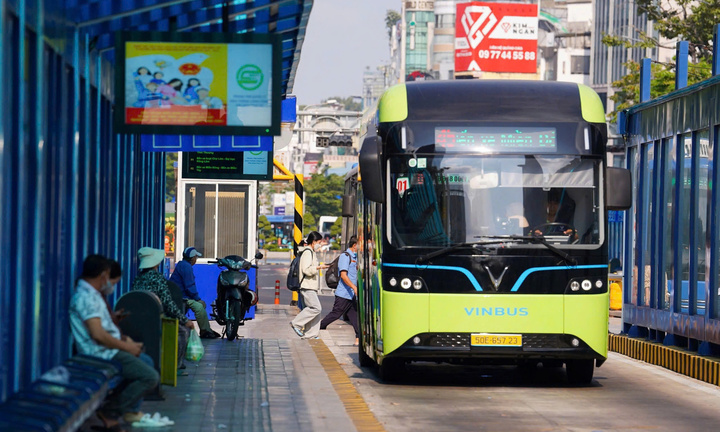
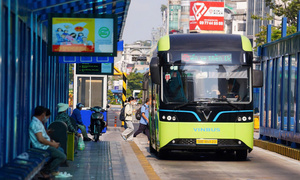
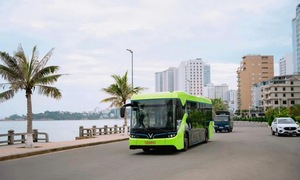
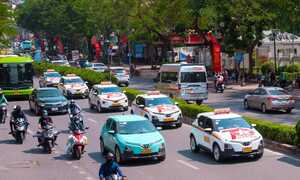
Ho Chi Minh City is planning to expand green transportation in Can Gio, Con Dao, and along Ring Road 2... aiming to complete the conversion of 100% of buses to electric vehicles by early 2027.
The highest level of support is expected to apply to residents of the Con Dao Special Economic Zone and poor households in Ho Chi Minh City, covering 100% of the vehicle's value, registration fees, license plates, etc., approximately 20 million VND per vehicle.
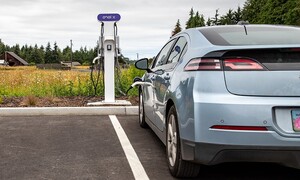
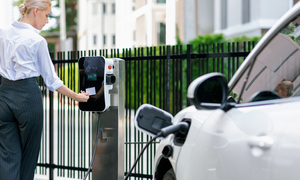
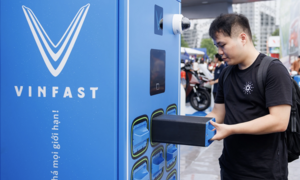
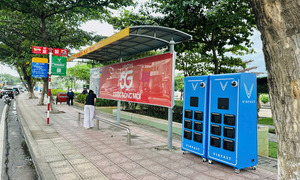
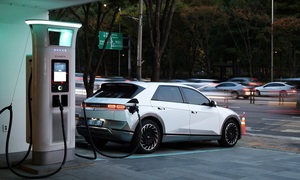
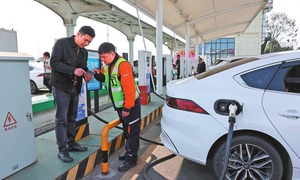
A network of 16.000 motorcycle battery swapping cabinets and 2.000 electric car charging points at post offices helps eliminate the "fear of running out of battery," encouraging people to switch to purely electric vehicles.
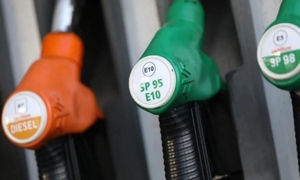
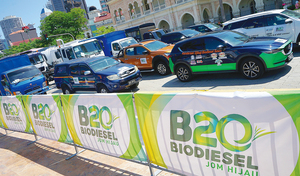
E10 bioethanol fuel currently accounts for over 95% of the market share in the US, indicating that ethanol-blended fuels are gradually becoming a global standard.
Europe and Asia are investing trillions of dong in electric vehicles, batteries, and charging infrastructure to accelerate the electrification of transportation and promote a green transition.
Ho Chi Minh City is planning to expand green transportation in Can Gio, Con Dao, and along Ring Road 2... aiming to complete the conversion of 100% of buses to electric vehicles by early 2027.
The National Assembly has extended tax incentives for electric vehicles until 2030, creating a stable policy foundation and promoting investment, consumption, and development of Vietnam's electric vehicle industry.
The shift to electric buses is no longer an experiment but is becoming a core solution globally, and Vietnam is also entering the race with the goal of 100% greening.
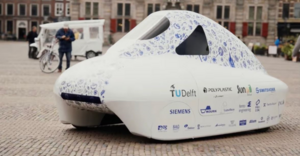
Electric vehicles equipped with solar panels can generate their own energy, reducing reliance on the power grid, cutting emissions, and opening up new avenues for sustainable transportation.
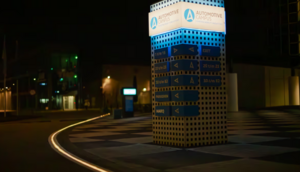
A Dutch startup has developed technology that makes road markings glow, aiming to improve visibility for drivers in bad weather conditions, especially heavy rain.
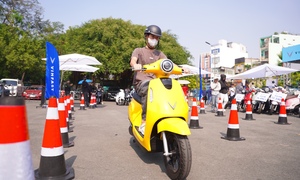
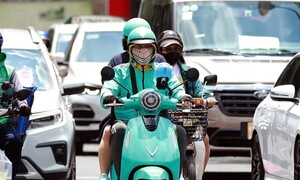
VinFast's record-breaking sales in March is not only a victory for the automaker, but also a confirmation that electric motorcycles have broken free from the label of a secondary mode of transportation.
According to the Deputy Director of the Hanoi Department of Construction, the city will not simultaneously implement low-emission zones along the entire Ring Road 1, but plans to pilot the program in specific areas.
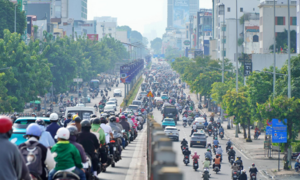
Ho Chi Minh City plans that by 2030, all vehicles participating in traffic will have their emissions managed and controlled according to a roadmap of applying technical standards and regulations on emissions.
On the global economic map, electric vehicles are no longer simply an alternative means of transportation, but have become a new engine of growth for major powers.
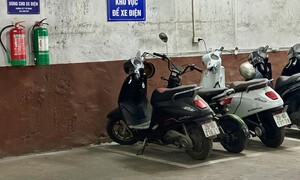
Prime Minister's Directive No. 27/CĐ-TTg requests ministries, agencies, and localities to promote the development of electric vehicle charging station infrastructure in apartment complexes.
Free battery leasing and replacement for three years helps electric vehicle drivers eliminate the burden of operating costs, turning monthly gasoline expenses into installments for vehicle ownership.
The conflict in Iran has driven fuel prices to record highs, inadvertently becoming the strongest impetus for people worldwide to seek clean energy solutions.
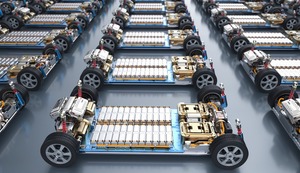
Electric vehicle battery swapping infrastructure is key to helping people increase energy independence, save time, and reduce the burden on urban power grids in the face of fluctuating fuel prices.
Despite global market fluctuations, electric vehicles continue to grow in many regions thanks to competitive pricing, diverse supply, and the green transition trend.
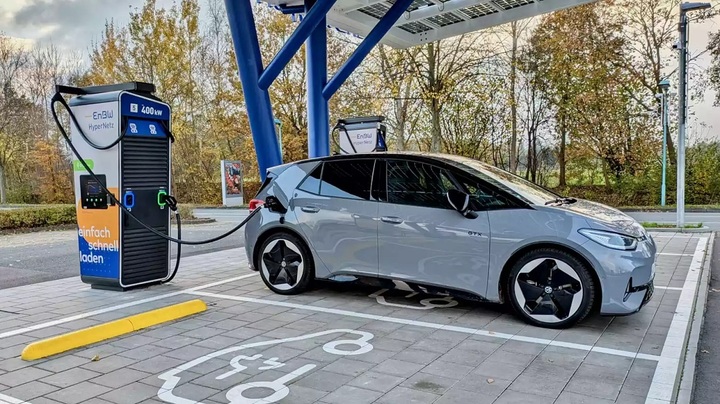
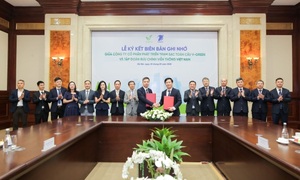
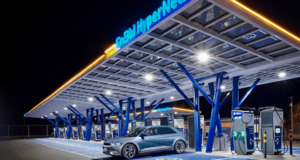
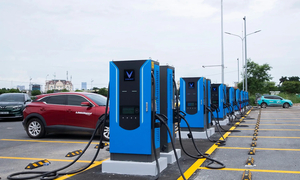
V-Green announced an investment of 10.000 billion VND to deploy 99 super charging stations along national and provincial highways nationwide this year.
The forecast that the electric vehicle market will reach $1.300 trillion by 2031 is not just a growth figure, but also reflects a comprehensive restructuring of the automotive industry.
In the trend towards green transition, battery swapping station infrastructure is a decisive factor, helping motorcycles become a superior solution to completely replace gasoline-powered vehicles.
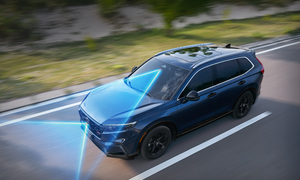
Honda will gradually introduce advanced technologies and electrification solutions suitable for the Vietnamese market, aiming to promote sustainable mobility solutions.
Many countries from Europe to Asia are accelerating their transition to electric vehicles through subsidies, investments in charging infrastructure, and the electrification of transportation.
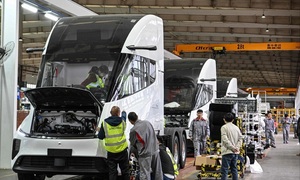
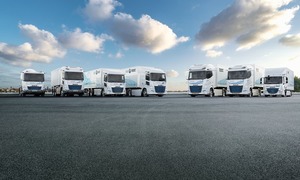
Green transport in the Netherlands is accelerating rapidly, but the electrification of trucks still faces many challenges regarding cost, charging infrastructure, and grid capacity.
The rapid development of highway charging infrastructure has eliminated the worry of running out of battery on long journeys for electric vehicle users in China.





 Hotline: 0855.911.911
  RSS
RSS