


 Hotline: 0855.911.911
  RSS
RSS 





A serious workplace accident occurred to a 37-year-old man in Phu Tho when a crowbar approximately 1,5 meters long pierced his right thigh while he was working, leaving him in critical condition.
According to Dr. Nguyen Manh Tien, a specialist in Lower Extremity Surgery at Viet Duc Friendship Hospital, this is one of the particularly dangerous cases of penetrating trauma due to the large size of the foreign object, which passed through an area with a high concentration of important blood vessels and nerves.
The victim received first aid on the spot. Because the crowbar was too long, rescue workers had to cut it shorter for easier transport. However, the patient quickly deteriorated. traumatic shock Because of the intense pain and the risk of serious blood loss.
Upon arrival at Viet Duc Hospital, the patient was in critical condition, panicked, and in severe pain. The injured limb was temporarily immobilized, but the crowbar remained deeply embedded in the thigh.
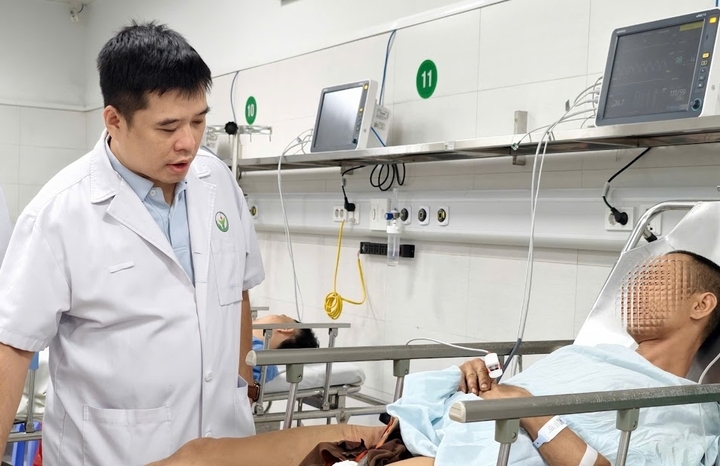
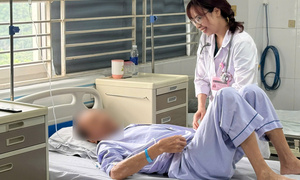
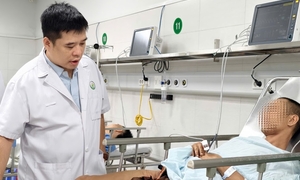
The doctor is giving the patient a health checkup.
Upon admission, doctors activated the emergency protocol, simultaneously providing intensive resuscitation, pain relief, shock management, immobilizing the injured limb, and performing necessary investigations. After initial assessment, the team determined that this was a case that could not be delayed and required immediate emergency surgery.
According to Dr. Tien, the biggest challenge lies in the trajectory of the foreign object. The crowbar penetrated from the inner to the outer front of the right thigh, an area with many large blood vessels, especially the femoral artery, and nerve bundles that control lower limb movement.
"If not handled carefully, even a small mistake can cause secondary damage, leading to massive bleeding or seriously affecting the leg's mobility," the doctor said.
What worried the doctors most was that the foreign object may have touched or damaged vital structures without immediate apparent symptoms. Improper removal of the crowbar could cause the patient's condition to worsen in just seconds.
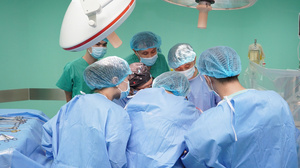
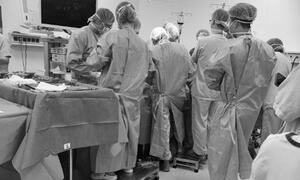
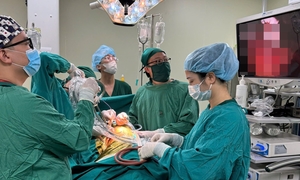
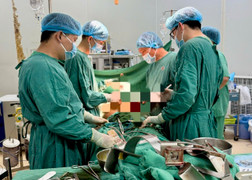
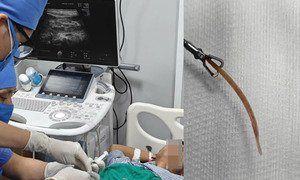
In the operating room, a team of orthopedic, vascular surgery, and anesthesiology specialists worked closely together to minimize risks. The doctors carefully assessed the trajectory of the foreign object before systematically removing the crowbar from the patient's body.
Each procedure is performed carefully to minimize further damage to surrounding tissues and preserve the limb's function as much as possible.
Fortunately, the surgery went smoothly. The results showed that the crowbar had not caused serious damage to major blood vessels and nerves in the thigh. This was a crucial factor in helping the patient avoid the risk of massive blood loss, paralysis, or death.
After surgery, patients continue to be closely monitored, receive intensive treatment, and are given high doses of antibiotics for prevention. nhiễm trùng as well as postoperative complications.
Doctors believe that proper first aid at the scene and timely transfer to a specialized medical facility played a crucial role in saving the patient's life.
Based on this case, experts advise people to absolutely refrain from attempting to remove foreign objects that have penetrated the victim's body, especially large objects such as iron bars, wooden planks, or crowbars.
This action can disrupt the temporary hemostatic mechanism, causing massive bleeding and exacerbating damage to blood vessels, nerves, and surrounding organs.
In similar accidents, the necessary actions are to immobilize the foreign object, minimize its displacement, and quickly transport the victim to a medical facility capable of providing emergency surgical care for timely treatment.

 Comment