


 Hotline: 0855.911.911
  RSS
RSS 





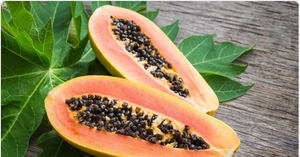
Papaya is considered one of the healthiest fruits, packed with nutrients. A small papaya (about 150g) can provide: 59 calories; 1g protein; 15g carbohydrates; 3g fiber; 11% of the daily recommended intake (RDI) of potassium; 14% of the RDI of vitamin B9; and 33% of the RDI of vitamin A.
In addition, papaya contains vitamins B1, B3, B5, K, E, carotenoids, the enzyme papain, quercetin, flavonoids, zeaxanthin… Notably, papaya has a higher amount of beta-carotene, a precursor of vitamin A, than other fruits and vegetables.
When ripe, papaya contains 90% water, 13% sugar, no starch, and is rich in carotenoids, organic acids, and antioxidant proteins, making it beneficial for the cardiovascular system and potentially preventing colon cancer.
According to Tuoi Tre newspaper, Dr. Dinh Minh Tri from the Ho Chi Minh City University of Medicine and Pharmacy shared that people with the following conditions should avoid eating papaya, lest they regret it later.
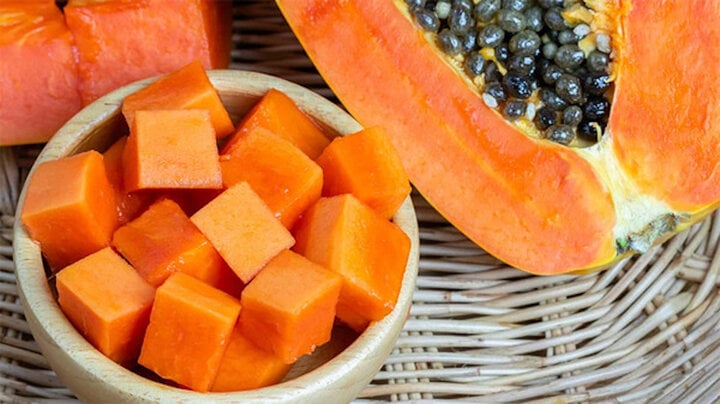
Papaya is good for you, but not everyone should eat it.
People with respiratory problems
Papaya contains the enzyme papain, a potent allergen that can worsen respiratory disorders. People with conditions such as hay fever, asthma, or any other allergies should be cautious when eating papaya.
Sometimes pollen can stick to the papaya peel, so wear gloves when peeling it. Dispose of the peel and gloves in the trash immediately after peeling.
Kidney stones
Papaya is rich in vitamin C, with 60,9mg of vitamin C per 100g of papaya. However, excessive vitamin C intake can lead to the formation of calcium oxalate kidney stones or worsen symptoms in those who already have the condition.
Hypoglycemia
People with hypoglycemia or low blood sugar should avoid eating papaya, as consuming too much can lead to symptoms such as tremors and a rapid heartbeat.
Hypothyroidism
Cyanogenic glycosides in papaya not only affect heart rate but can also interfere with iodine synthesis and metabolism in the body, causing more severe symptoms in people with hypothyroidism. However, this only occurs in people who eat excessive amounts of papaya.
Liver failure
Patients with liver failure often have to use many different medications. Papaya can help restore the liver after toxic effects and reduce damage to this organ.
However, some studies published on Healthline also mention that papaya leaves may increase levels of GGT, ALP, and bilirubin, which often indicate active liver disease due to bleeding and inflammation. Therefore, it is best for people with liver failure to avoid or reduce their consumption of papaya. If they wish to eat it, they should consult their doctor.
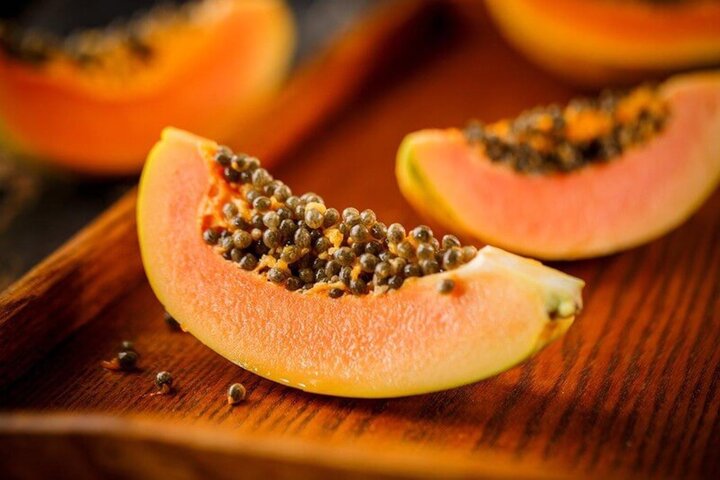
You should only eat about 500-700 grams of papaya per day.
Do not eat when you have diarrhea.
Like all high-fiber fruits, papaya is not safe to eat in excess during a bout of diarrhea. Even more dangerous is the risk of severe dehydration.
Pregnant women
While ripe papaya is considered safe and nutritious, unripe papaya can increase the risk of uterine contractions due to its sap. If pregnant women consume the sap of unripe papaya, the fetus may be affected, leading to miscarriage or premature birth.
Things to note when eating papaya
According to Tien Phong newspaper, a nutritionist shared that fermented papaya can lower blood sugar levels in people with type 2 diabetes. Diabetes medication is also used to lower blood sugar.
Therefore, consuming fermented papaya along with diabetes medication may cause your blood sugar levels to drop too low.
Additionally, people who are taking medication to slow blood clotting should be cautious when eating papaya, as it may increase the effects of the medication, thereby increasing the likelihood of bruising and bleeding.
You should only eat about 500-700g of papaya per day. Ripe papaya contains more sugar and therefore more calories than green papaya, so you should balance your diet when incorporating papaya into your meals.
Papaya is a nutritious food that is not very acidic, so it can be eaten on an empty stomach without worrying about harming the stomach. However, if you are on a diet, you should not eat it during main meals; it is best to eat papaya at lunchtime, and remember not to eat the papaya seeds.
 Comment