


 Hotline: 0855.911.911
  RSS
RSS 





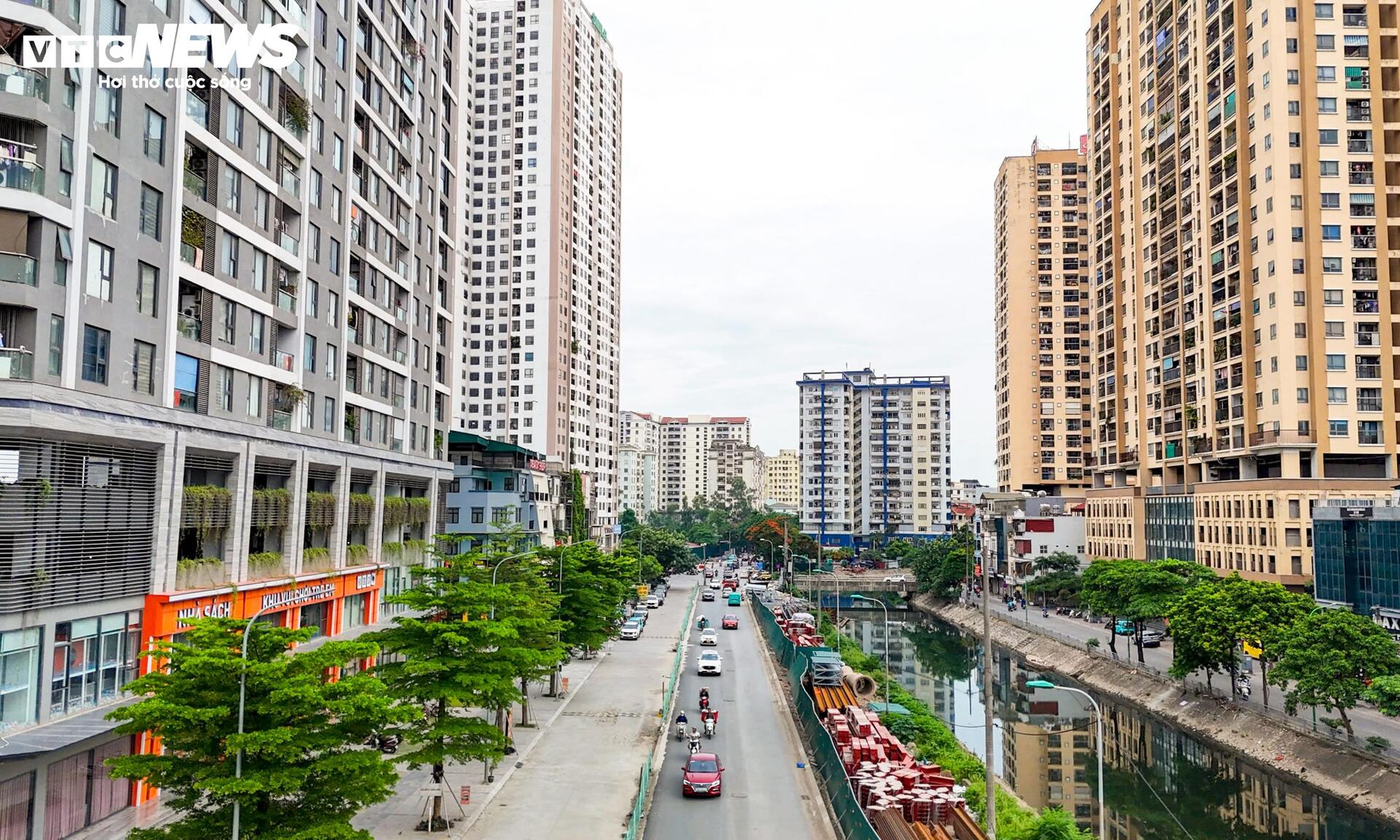
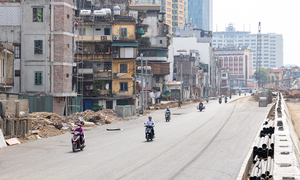
Connecting the Dai Kim urban area with Dinh Cong Bridge, the extended Nguyen Canh Di road is a major traffic route with high daily traffic volume due to its location in a densely populated residential area. Once a nightmare for residents due to its dilapidated surface and numerous potholes, this road now has a new look after repairs and renovations, ending the dusty conditions in the dry season and the muddy conditions during the rainy season.
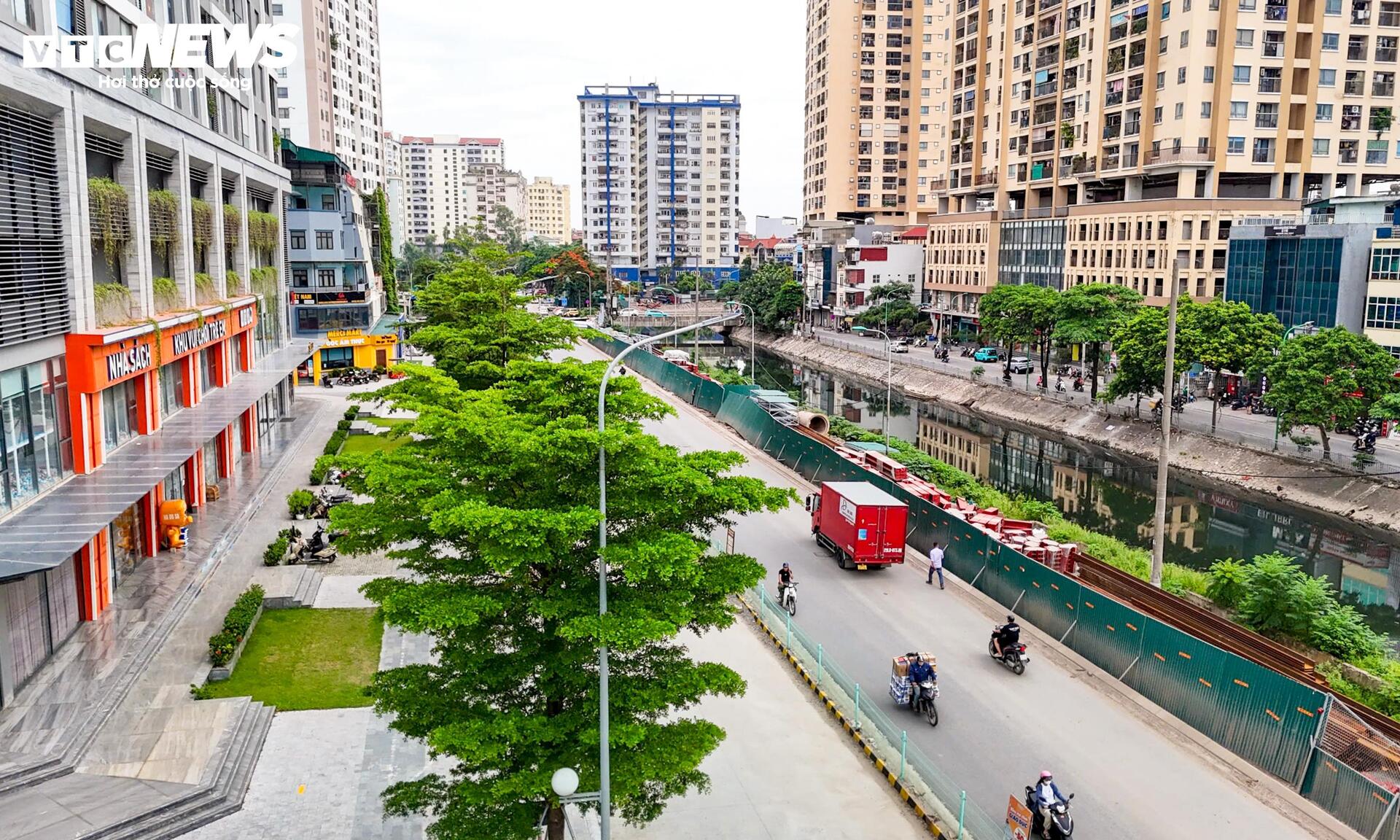
According to observations by VTC News reporters in mid-June 2026, the extended Nguyen Canh Di road has been paved with asphalt and many items have been completed after months of construction. Compared to its previous dilapidated appearance, the road's appearance has changed significantly.
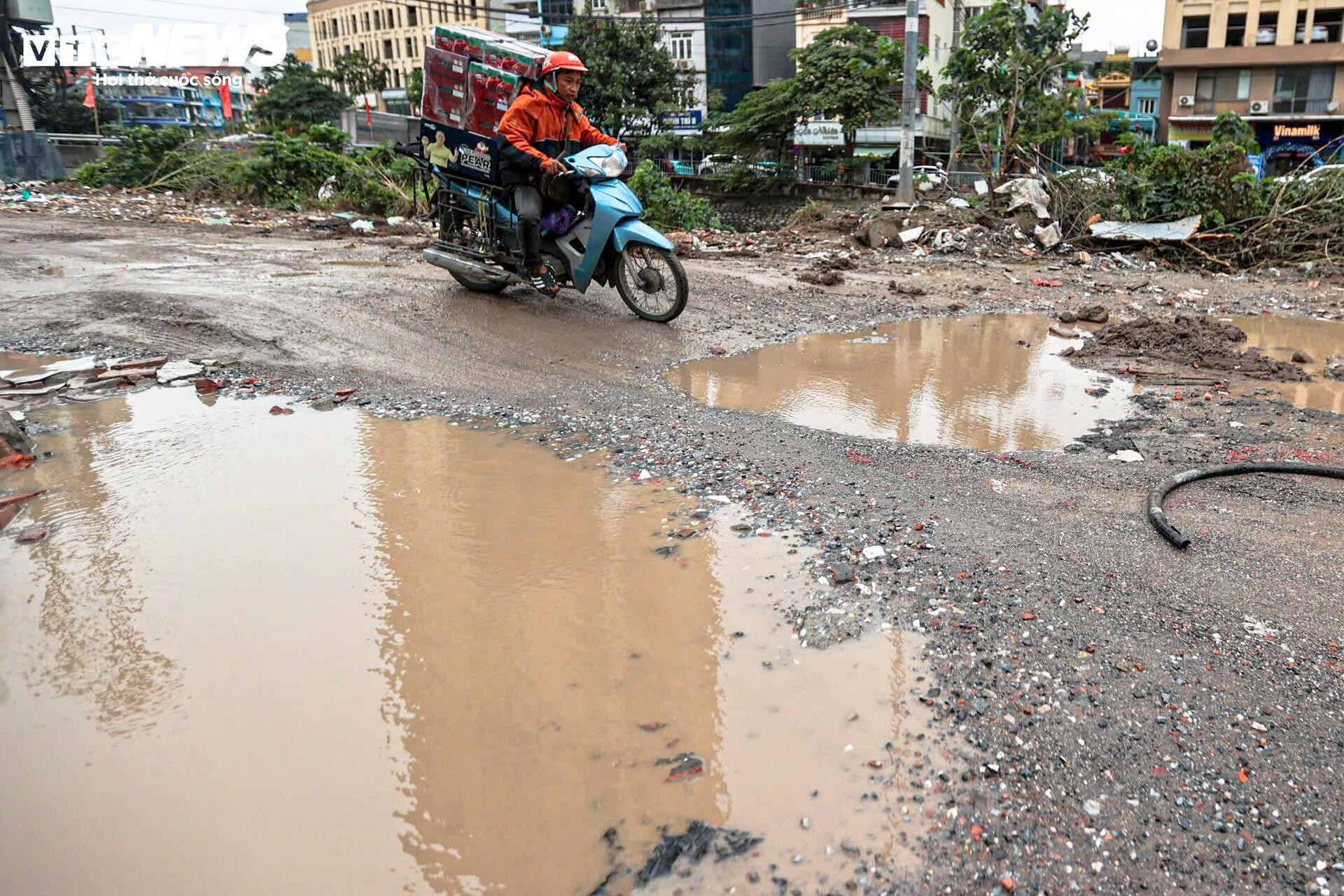
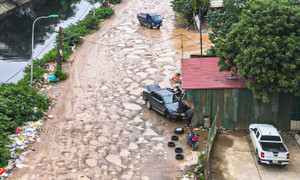
At the end of 2025, this was one of the most severely degraded roads in the southern area of Hanoi. The road surface was riddled with potholes and many sections were extensively damaged, making travel difficult for residents. (Image recorded by VTC News online reporter at the end of November 2025).
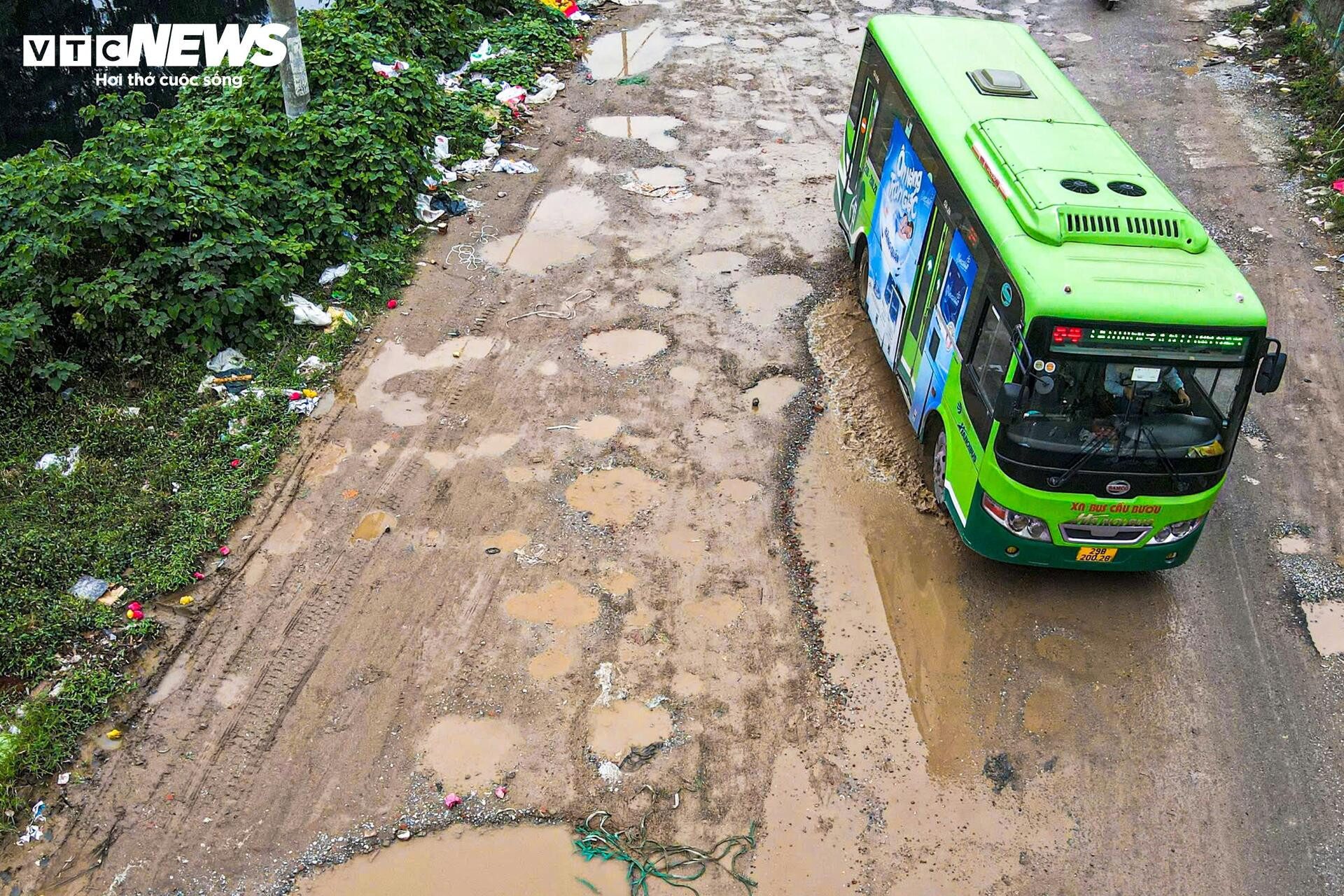
Whenever it rains, large puddles form on the road surface. Conversely, on sunny days, dust rises in thick clouds due to the deteriorated road surface, affecting traffic and the daily lives of residents living along the street. (Image recorded by VTC News online reporter at the end of November 2025)
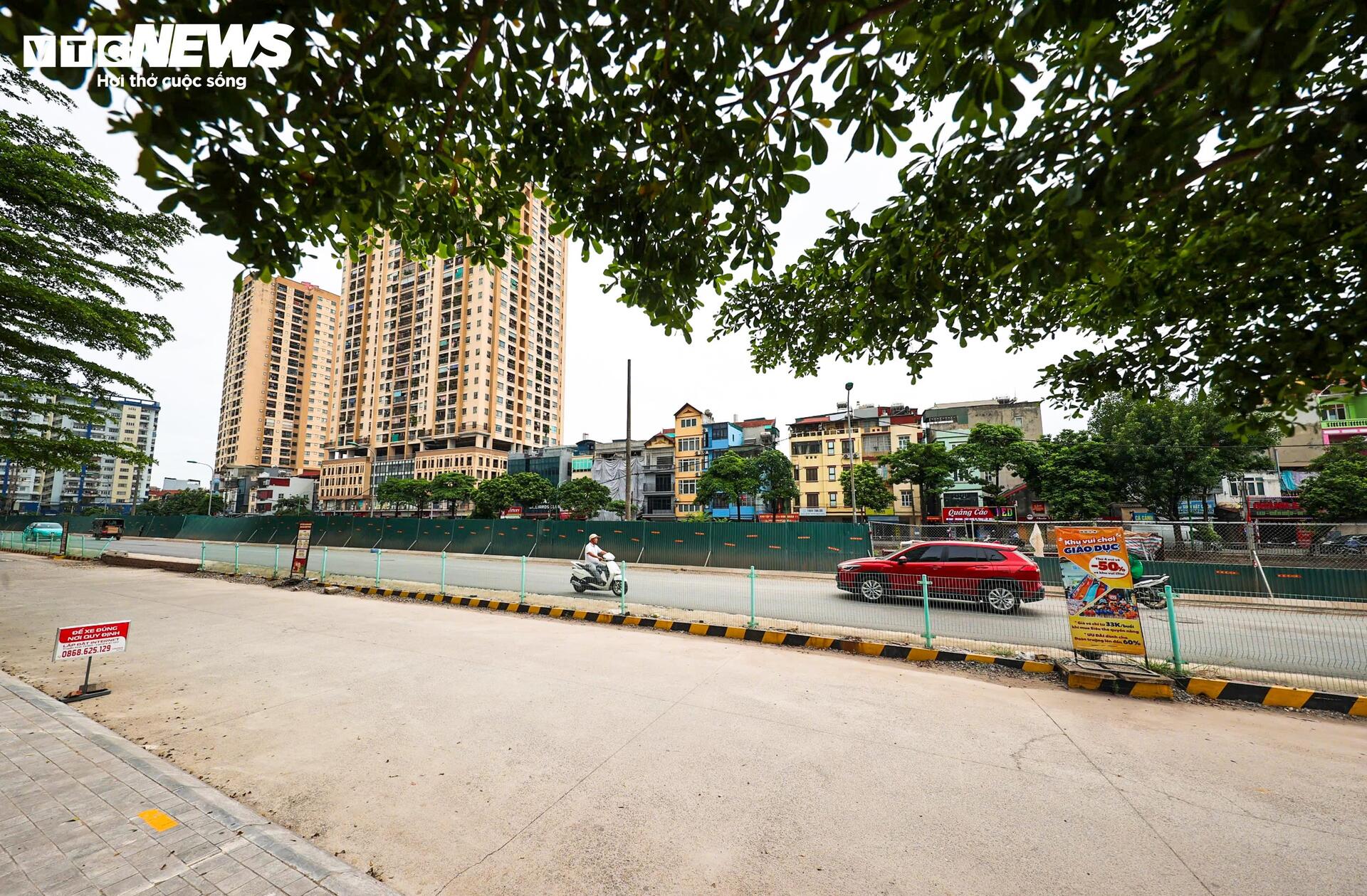
To address this issue, a project to repair and renovate a 600-meter section of the road has been underway since November 2025. The project is invested by Hanoi Housing and Urban Development Corporation (HANHUD), with a completion time of April 30, 2026.
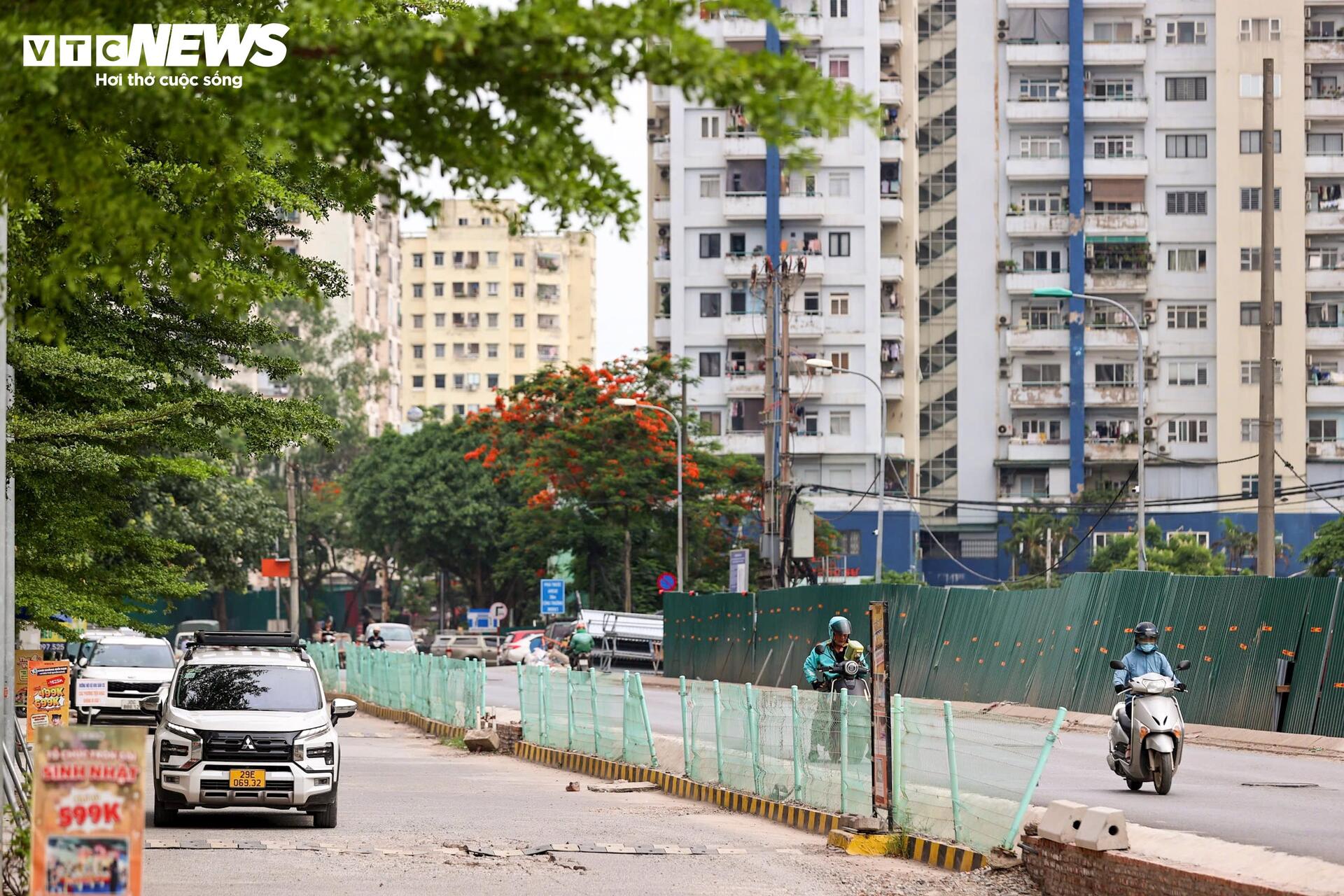
After the main construction items were completed, in early May 2026, some sections of the new road surface showed localized unevenness. However, these shortcomings have been addressed and rectified, ensuring the road surface remains smooth for traffic flow.
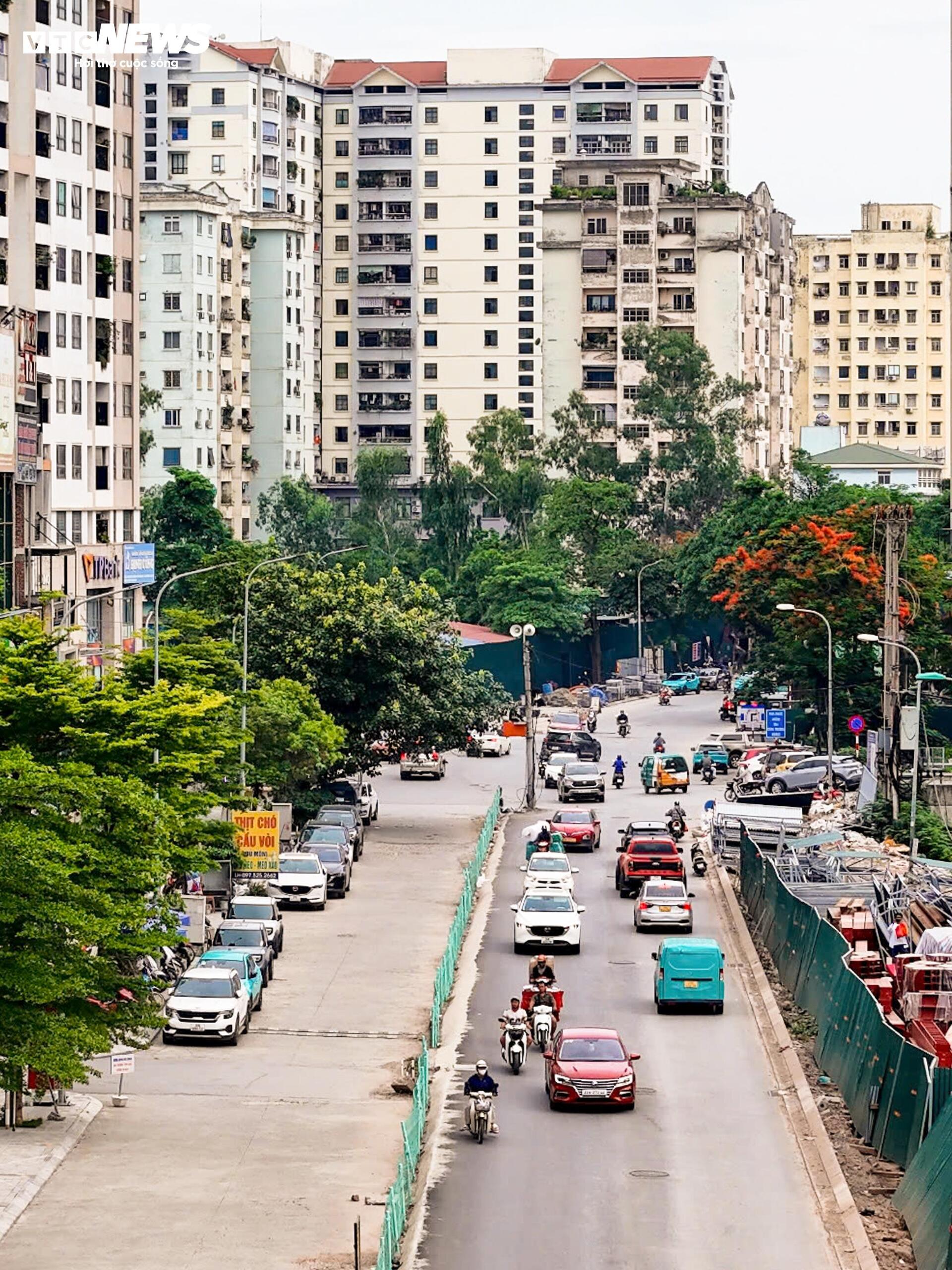
The road currently has a cross-section of four lanes. Of these, two lanes have been completed and put into use to serve the transportation needs of the people.
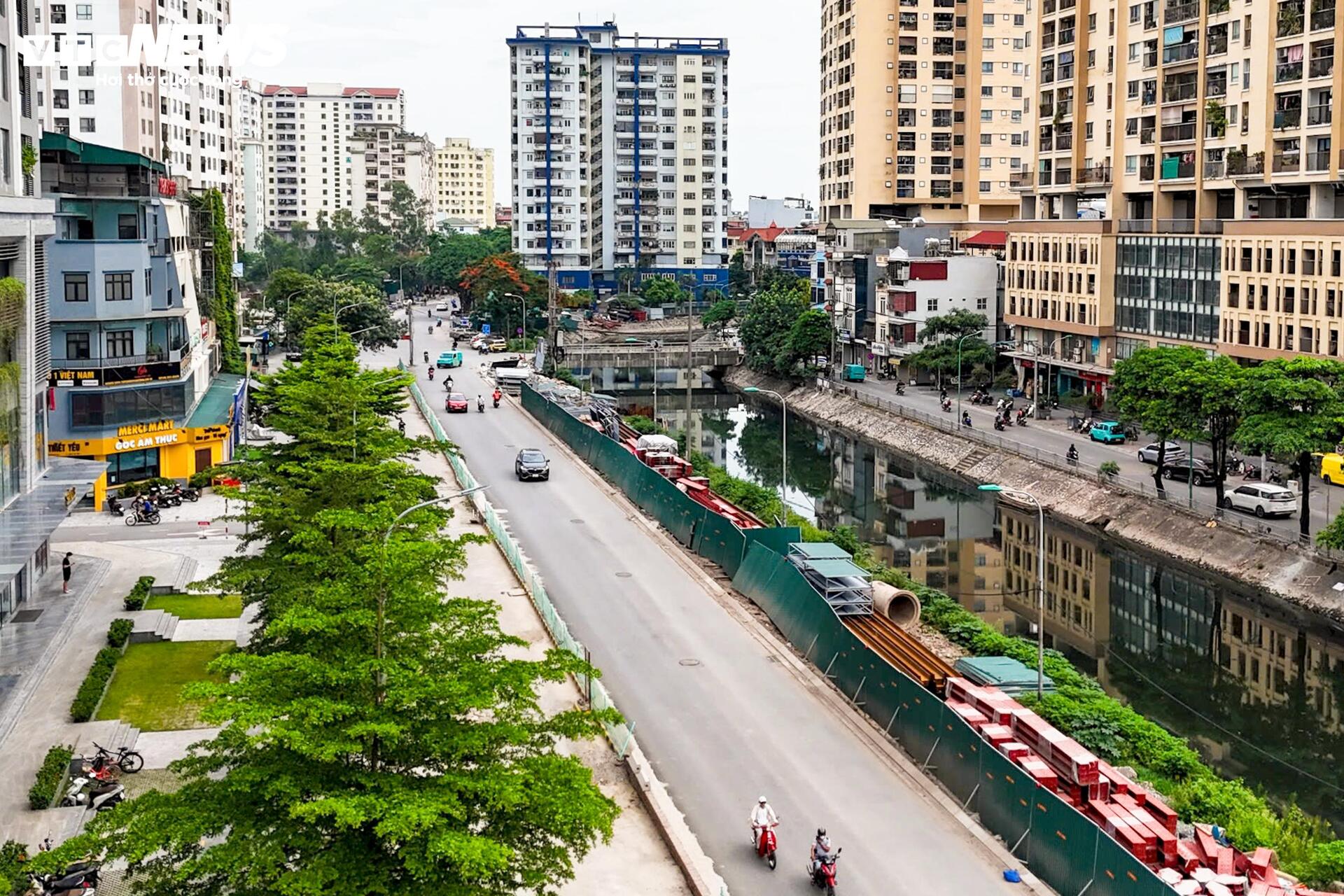
The remaining two lanes are currently still being used for construction work related to the Yen Xa Wastewater Treatment Plant project.
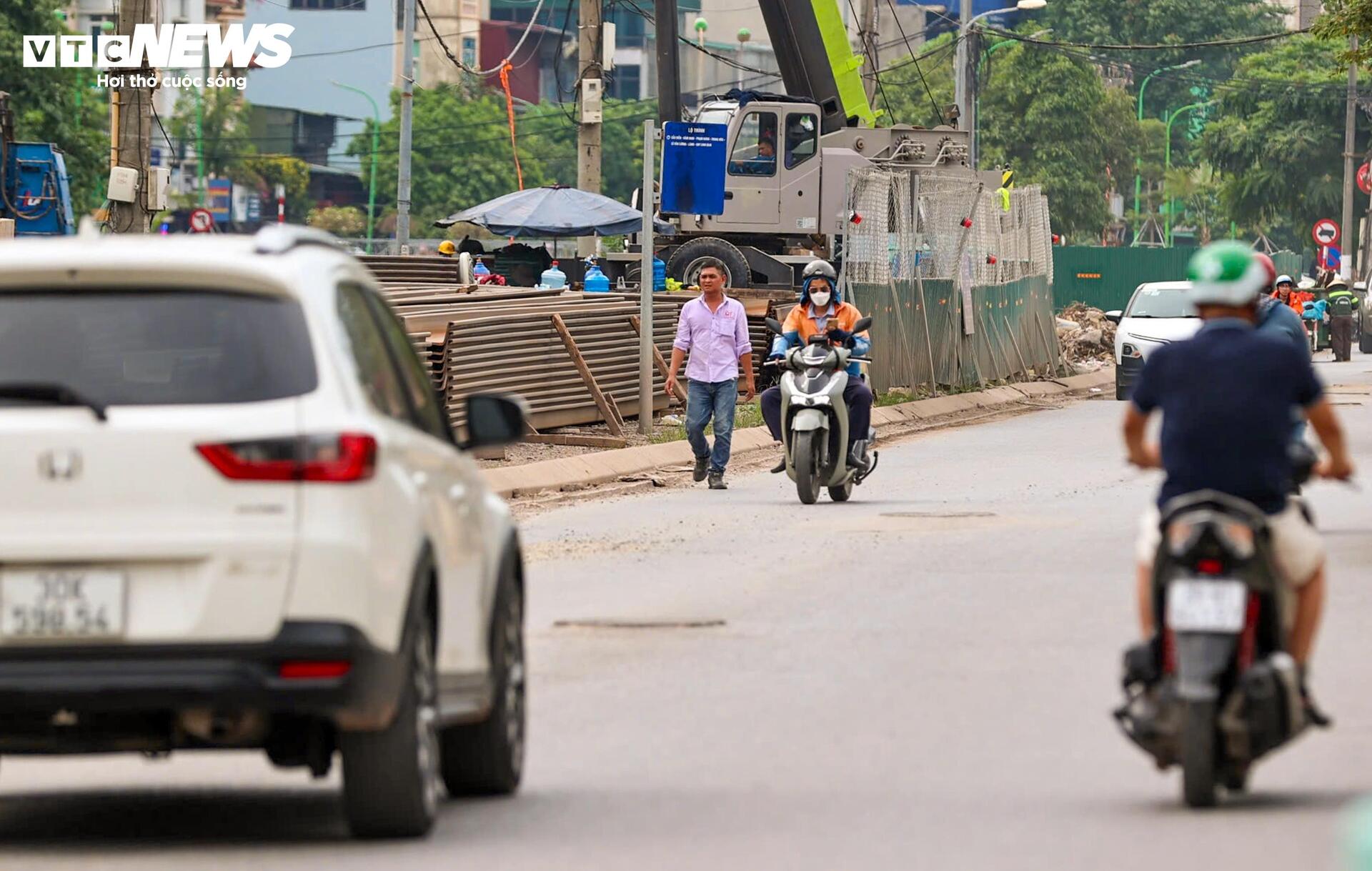
"I've lived in this area for almost 10 years. Before, every time I passed through here, I had to slow down because potholes were everywhere. On rainy days, getting around was very difficult. Now the road surface is much smoother, and getting around is much more convenient than before," said Pham Van Thong, a resident of Dinh Cong Street.
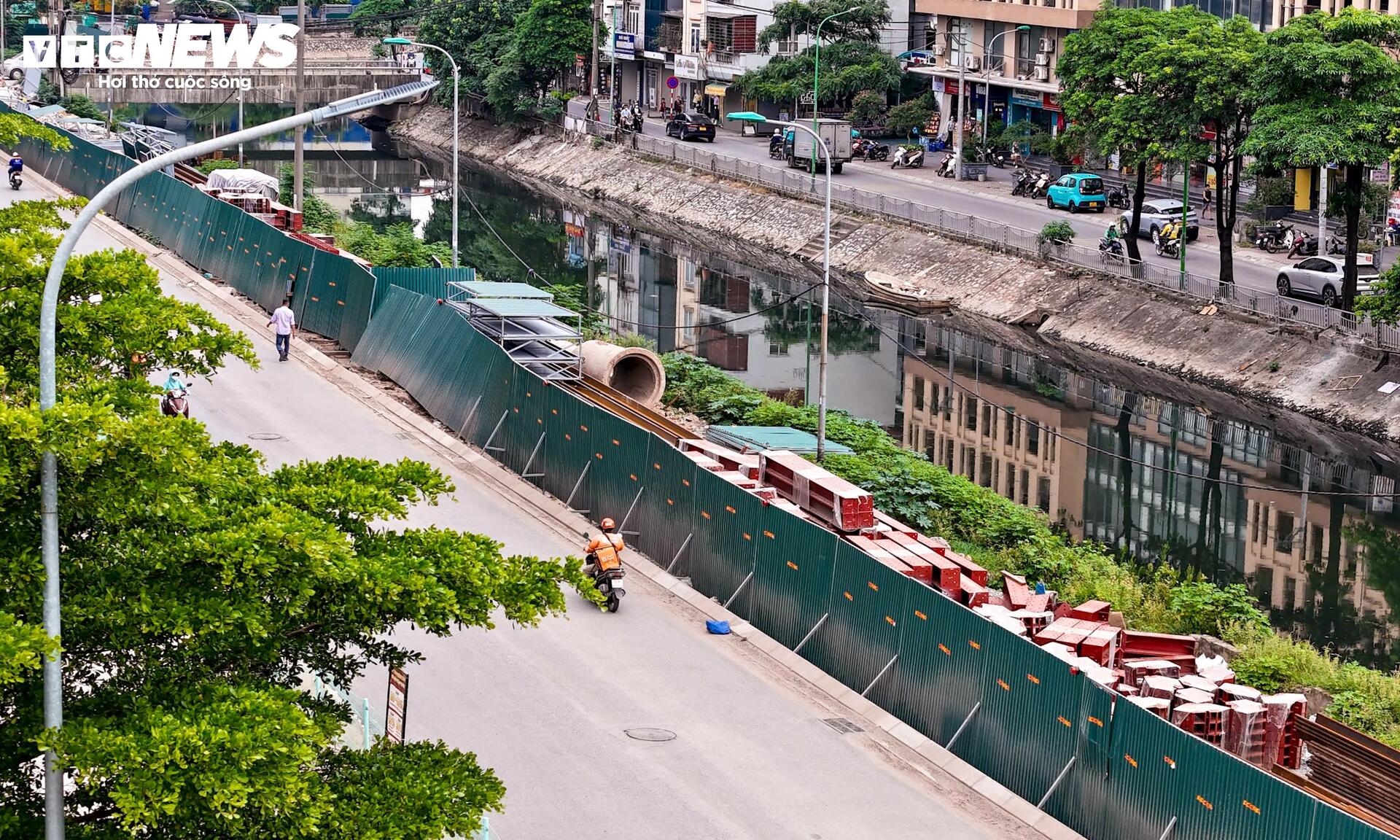
According to observations, the road section after renovation is raised by approximately 20cm compared to some adjacent existing roads.
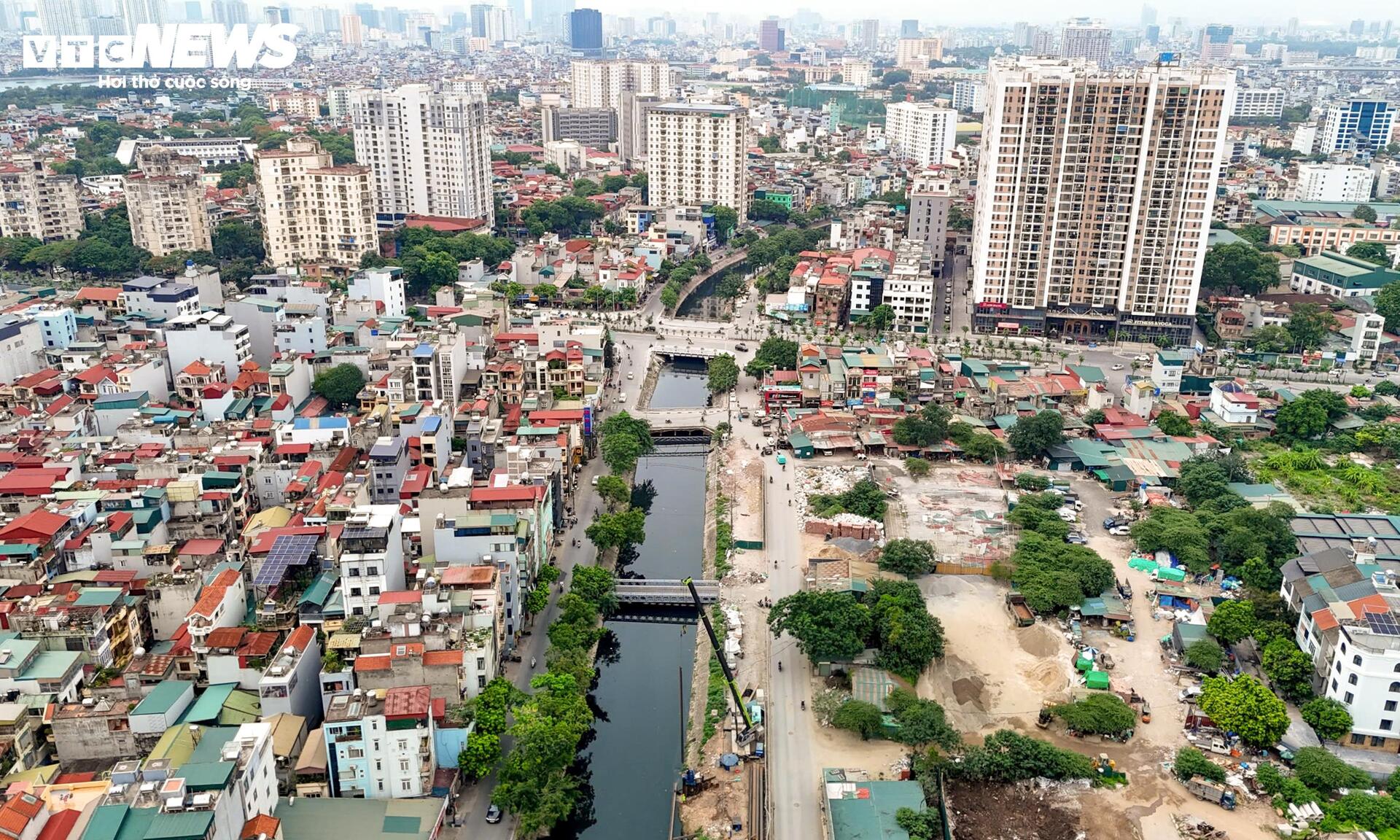
The extended Nguyen Canh Di route connects directly to the existing Nguyen Canh Di road, a densely populated area with numerous apartment complexes, shopping centers, and service facilities.
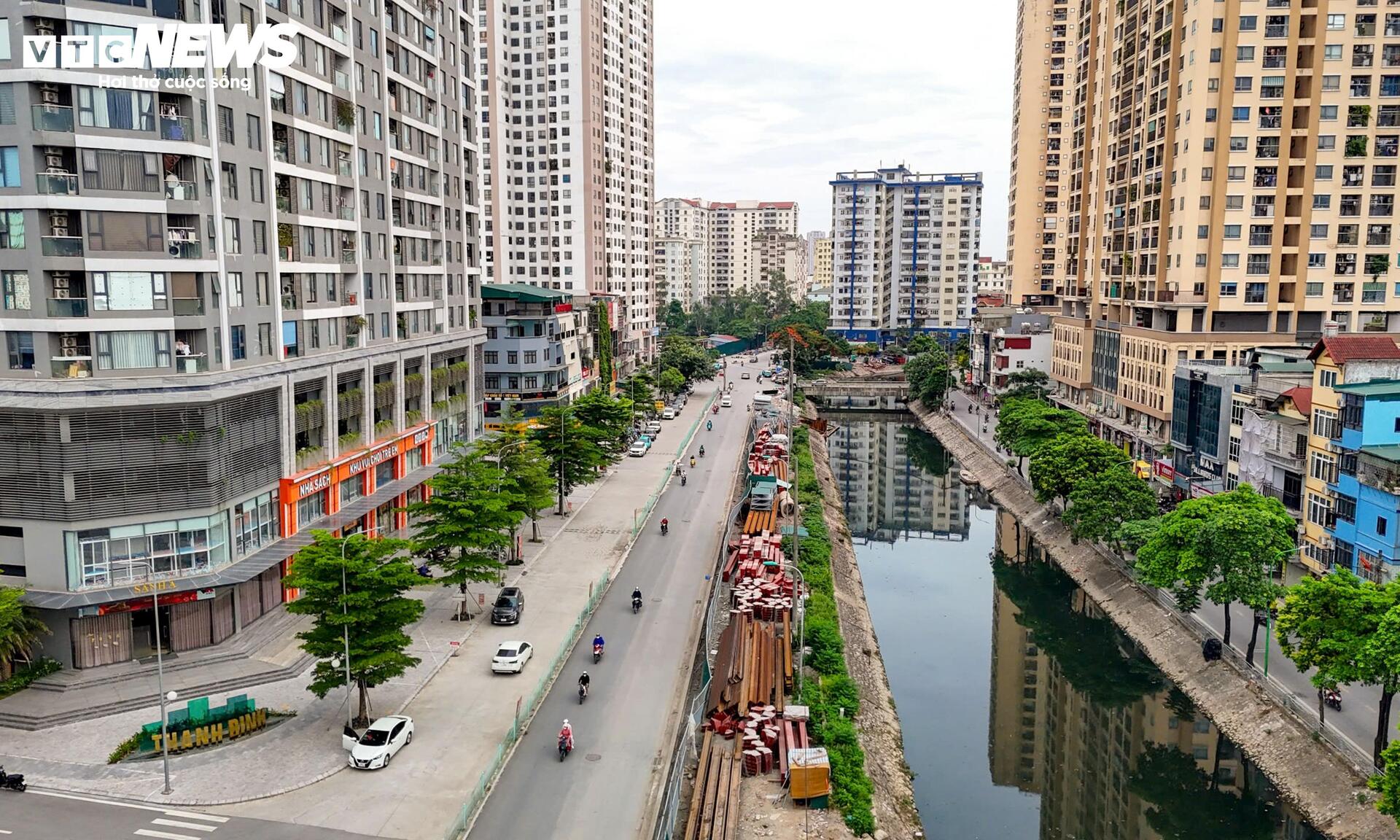
Besides serving the transportation needs of residents in the area, the road also plays a role in connecting Dinh Cong ward with major traffic arteries such as Ring Road 2,5 and Giai Phong Road.
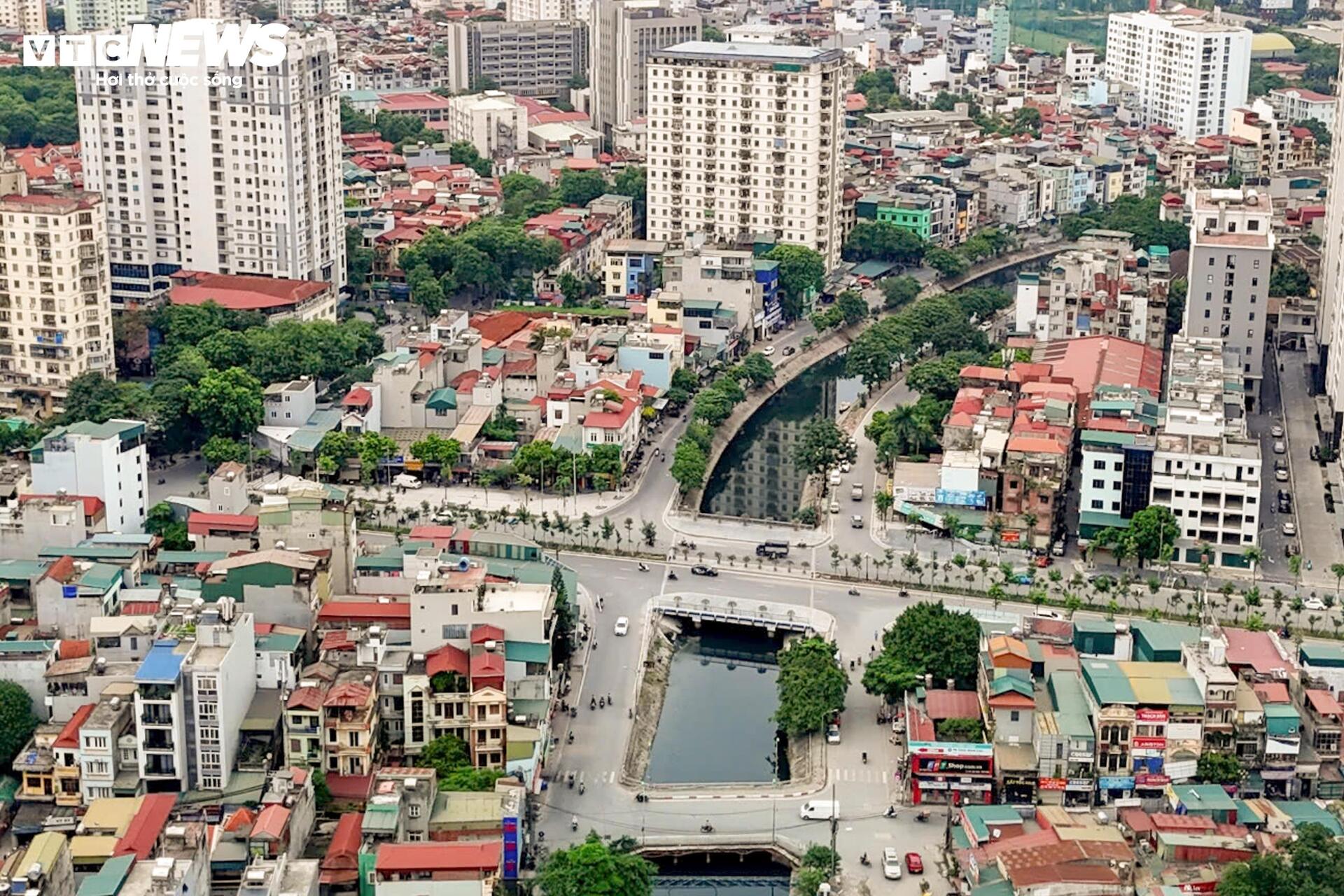
At the intersection of the extended Nguyen Canh Di road with Dinh Cong bridge and Ring Road 2,5, traffic flow is now significantly smoother thanks to the improved road surface.
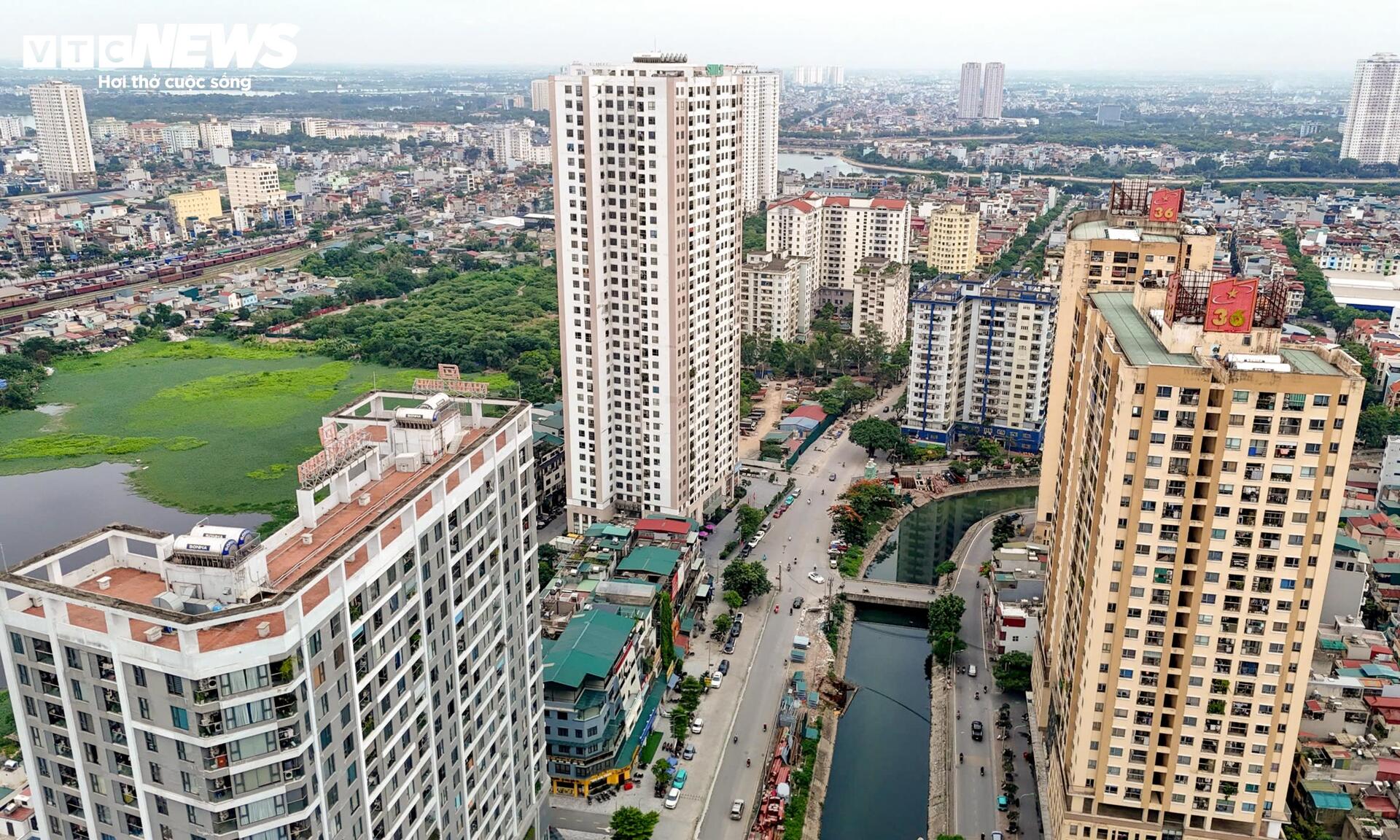
According to the plan, this road is part of the infrastructure project for the expanded North Dai Kim New Urban Area. Completing the road will not only meet the increasing transportation needs of residents but also contribute to the completion of the internal transportation network, increasing connectivity between residential areas and reducing pressure on neighboring roads.

 Comment